The Elements and Principles of Design: What are they, and why are they important for interior designers?
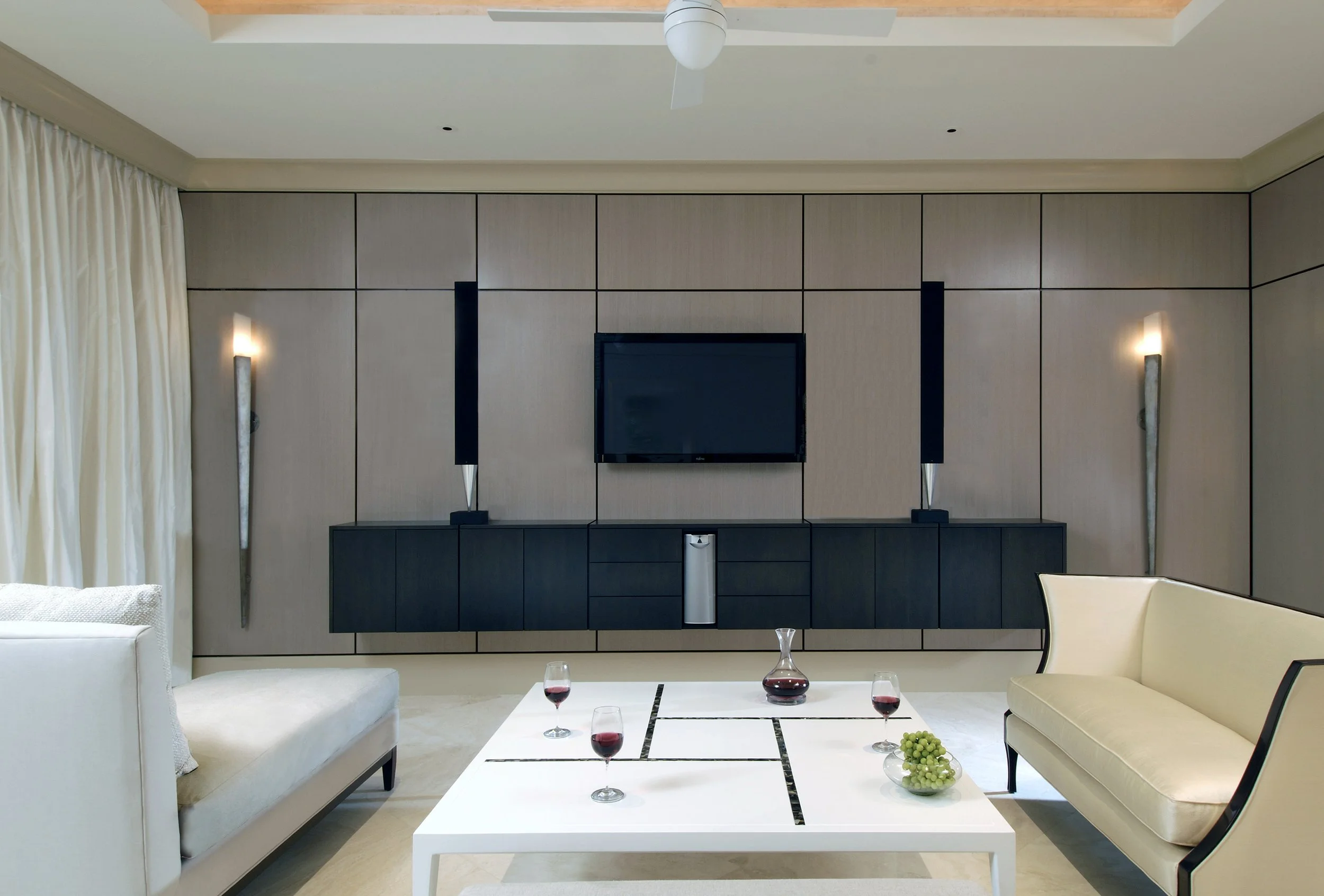
Naples, Florida. Ryan Art & Design. Image courtesy of Builders Integrity Group, Naples, FL.
Introduction
If you are a creative person, you have most likely been using the Elements and Principles your whole life, unconsciously. Just as some people are born with a natural talent for cooking, or throwing together a great outfit, or playing an instrument, some people have a natural capacity for composing shapes, colors, textures, etc.
In the practice of interior design, there are those without training who do very well by relying solely on their natural instincts. And there is nothing wrong with that, as long as the client is satisfied. But what I tell my students is that, even if you are such a person, if you want to be the best professional you can be, then you should learn to mix some intellect and intention in with your instincts. This is how you can take your work to the next level; to a new level.
What Do the Elements and Principles of Design Mean?
Fundamentally, design means to plan or to organize in a way that results in a composition. For interior designers, mastering composition is essential. Of course, first and foremost, the space must fulfill its function. It must have the things in it the client requires. But as I also always tell my students: you can stick furniture into a room, or you can design it into a room. What’s the difference?
A composition is a visual arrangement that communicates meaning and emotion.
To do this – to “compose” – a space, interior designers rely on a storied set of complementary forces: the Elements and Principles of Design. For the professional interior designer – or for anyone who wants to enhance their abilities in this practice – understanding the Elements and Principles of Design is a must. But fear not! They are not a rigid list of rules to be memorized, but living tools for enhancing creativity. By practicing how they interact, designers gain control over how their work communicates meaning and emotion.
It is the interplay between the Elements and Principles that creates design, and….
Design = Meaning (Function + Feeling)
Fluency in these dynamics allows designers to shape not just space, but the emotions and experiences of those who inhabit them.
Who Created the Elements and Principles of Design?
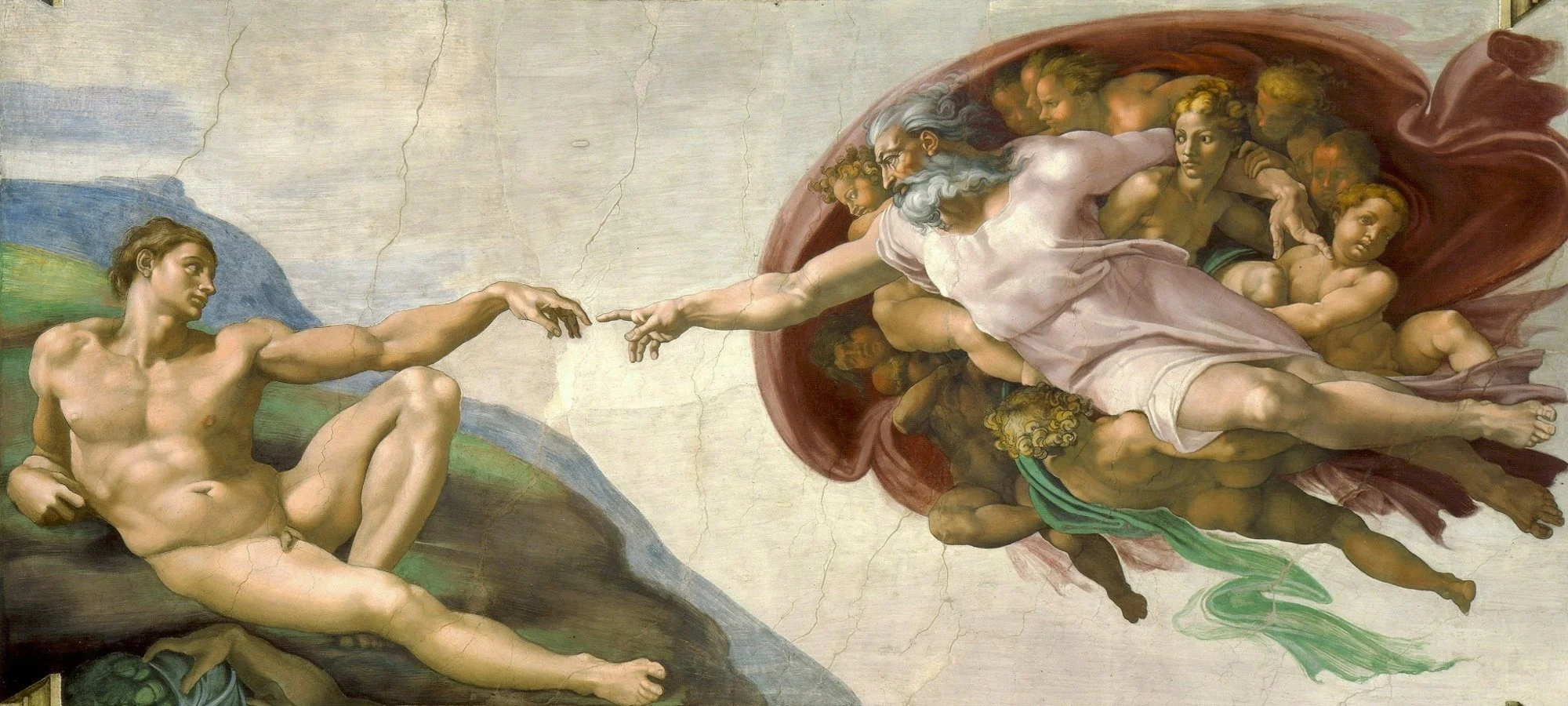
The Creation of Adam. Michelangelo. The Vatican. c.1510. Public Domain
The language of design developed over centuries within the realm of the fine arts: painting, sculpture, and architecture. Painters explored line, color, and contrast. Sculptors worked with form, space, and texture. Architects sought harmony, proportion, and balance in buildings.
During the Renaissance, artists rediscovered and revered the values of Classical Antiquity, which were based on, in a word, perfection. Harmony, balance, proportion in and among all the “parts and pieces” required to create a work of art or architecture became the standard. And since then, training in the methods to achieve that– among painters, sculptors, and architects -- was continuous and rigorous.
The craftsmen who produced what we refer to as the “decorative arts” -- (aka applied arts, useful arts, like furniture, textiles, silver, etc.) -- were trained within specialized guilds and received some instruction in geometry and proportion. Much like the “artists” of the Renaissance, they immersed themselves in contemporary prints and literature that illustrated and explained the principles of Classicism. Working alongside the masters of architecture, painting, and sculpture, required them to “keep up,” and over time, constant exposure to that level of excellence sharpened their own practice.
However, while the fine artists of later centuries received formal instruction in the academies that arose in the seventeenth century, the training of craftsmen in applying those same standards to their designs was not as thorough. While the demands of an elite, exacting clientele propelled the guilds to astonishing levels of craftsmanship, it was often the fine artists who supplied the designs.
It was during the Industrial Revolution—when fine artists no longer deigned to design “decorative art,” and when, due to revolutions, the dissolution of guilds, and shifting demographics, highly skilled craftsmen had become a dwindling breed—that both were replaced by pattern books and machines. And that is when it became apparent that the decorative arts, as well as interiors as a whole, had fallen victim to, at best, bad design; at worst, no design at all.
Thus began the so-called Design Reform movement. While many ideas and practices were proposed as ways to improve the quality of design, the one thing all theorists agreed upon was that craftsmen had to be trained in the same manner as fine artists. In other words, they must be grounded in what would later become known as the Elements and Principles of Design.
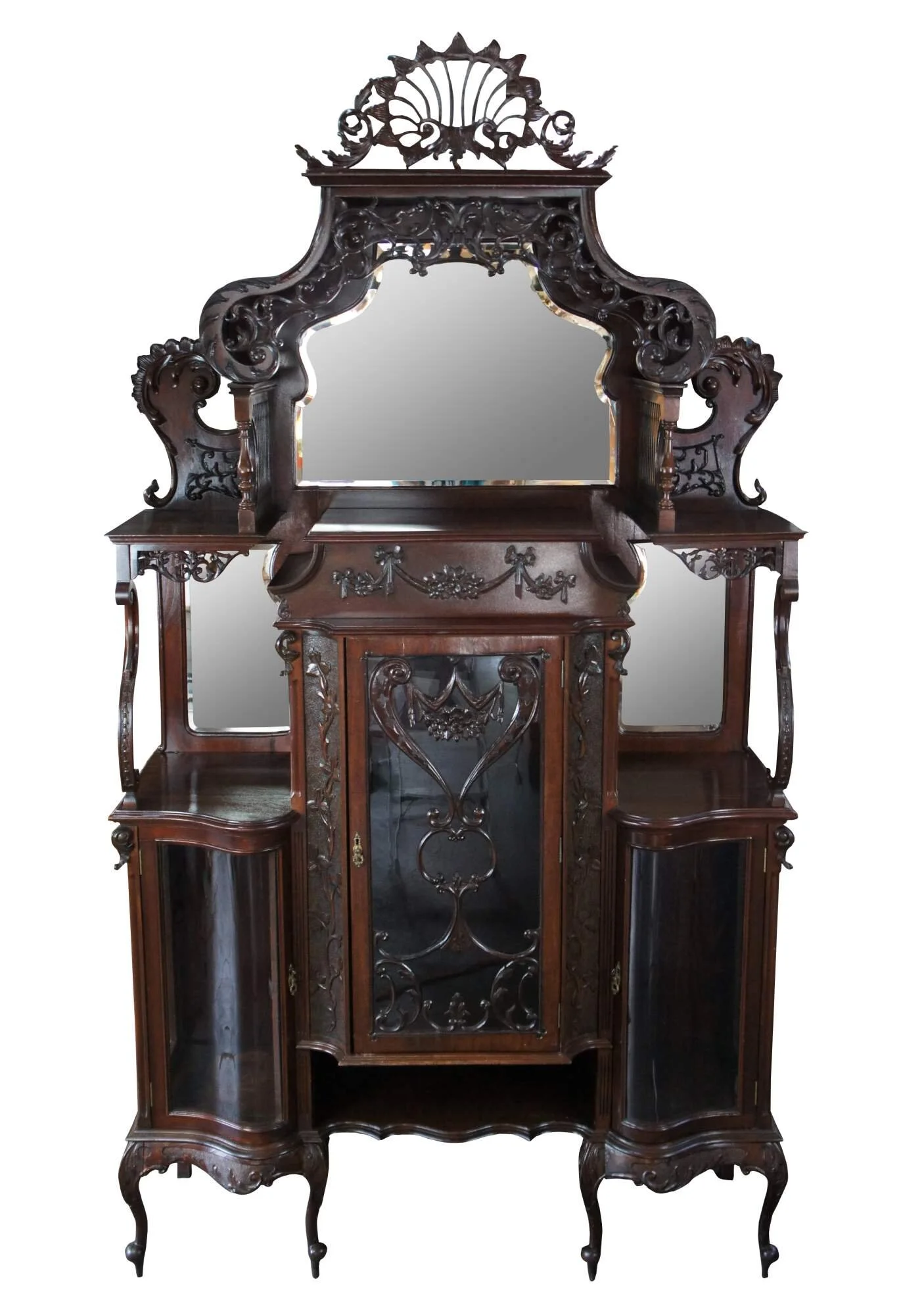
English Mahogany Rococo Revival cabinet. c. 1830. Photo courtesy of SchearBrothers.com. An example of the elaborate furniture commonly produced by industrial manufacture or by those working in the popular revivalist genre. While such pieces are now often appreciated for their historical value, distinctive character, or period charm, they were viewed by nineteenth-century design reformers as emblematic of the excesses of industrial design.
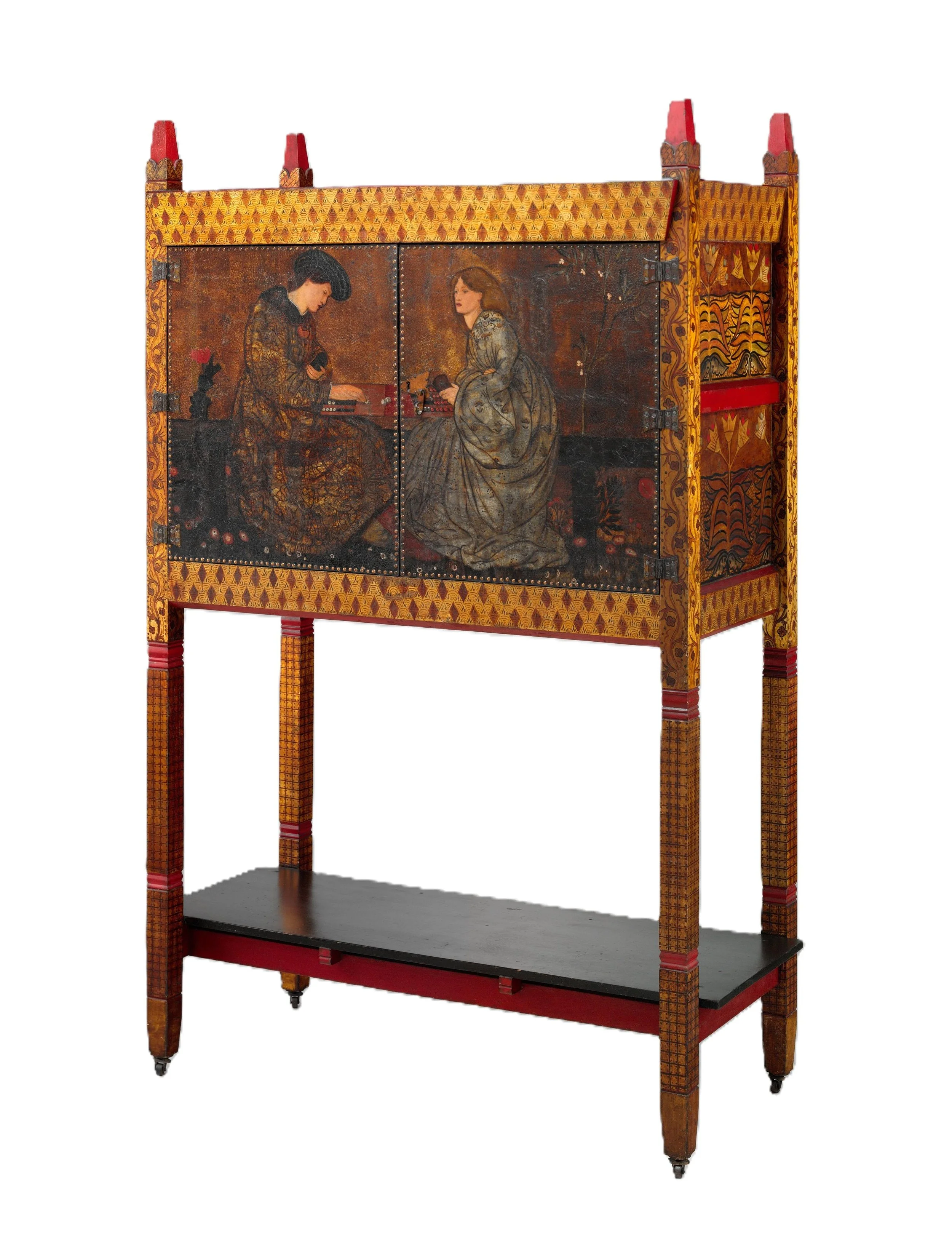
Backgammon Players. Philip Webb, Sir Edward Burn-Jones for Morris, Marshall, Faulkner & Co. 1861. Public Domain. Metropolitan Museum of Art. Object no. 26.54. An example of what the “Design Reform movement” was producing, in response to the products of industry.
This initiated reforms in design education and production that continued to evolve fervently into the 20th century, when they were codified and incorporated into art and design programs throughout the Western world and beyond.
Which is why today interior designers use the same building blocks as fine artists, but apply them in environments where people live, work, and gather. This continuity between art and design underscores two important truths:
1. The foundations of good design are universal
2. Studying great (and not-so-great) works of fine art enhances one’s ability to create high quality design.
THE 7 ELEMENTS OF DESIGN: The Building Blocks
THE 9 PRINCIPLES OF DESIGN: The Recipes
If the Elements are ingredients, the Principles of Design are the recipes. They dictate how Elements combine and transform into compositions that resonate.
Scale:

The actual size of an object in relation to our expectations. A chair ten feet tall is shocking; a teacup two feet wide is absurd. Scale affects our perception immediately.
Proportion:

The relationship of the parts of a composition to each other and to the whole in terms of size and visual weight.
Repetition/Pattern:

Repeating an element – such as a color or a texture -- creates unity. If a shape or an image, it can also create a pattern.
Rhythm / Movement:

When Repetition creates flow or continuity. It guides the eye in a deliberate path, like a staircase spiraling upward, beams radiating from a central point, or a colonnade across a façade or an interior space.
Variety:

Diversity – for interest, enjoyment, attention, and to prevent monotony. Introducing Variety sparks curiosity.
Emphasis:

A focal point that captures the viewer’s eye.
Balance:

The distribution of visual weight. Balance can be symmetrical – the equal distribution of weight on either side of a central axis; asymmetrical, in which there is no central axis, and the division of weight is often intentionally skewed; or radial – where weight is distributed in a circular manner around a central focal point.
Harmony:
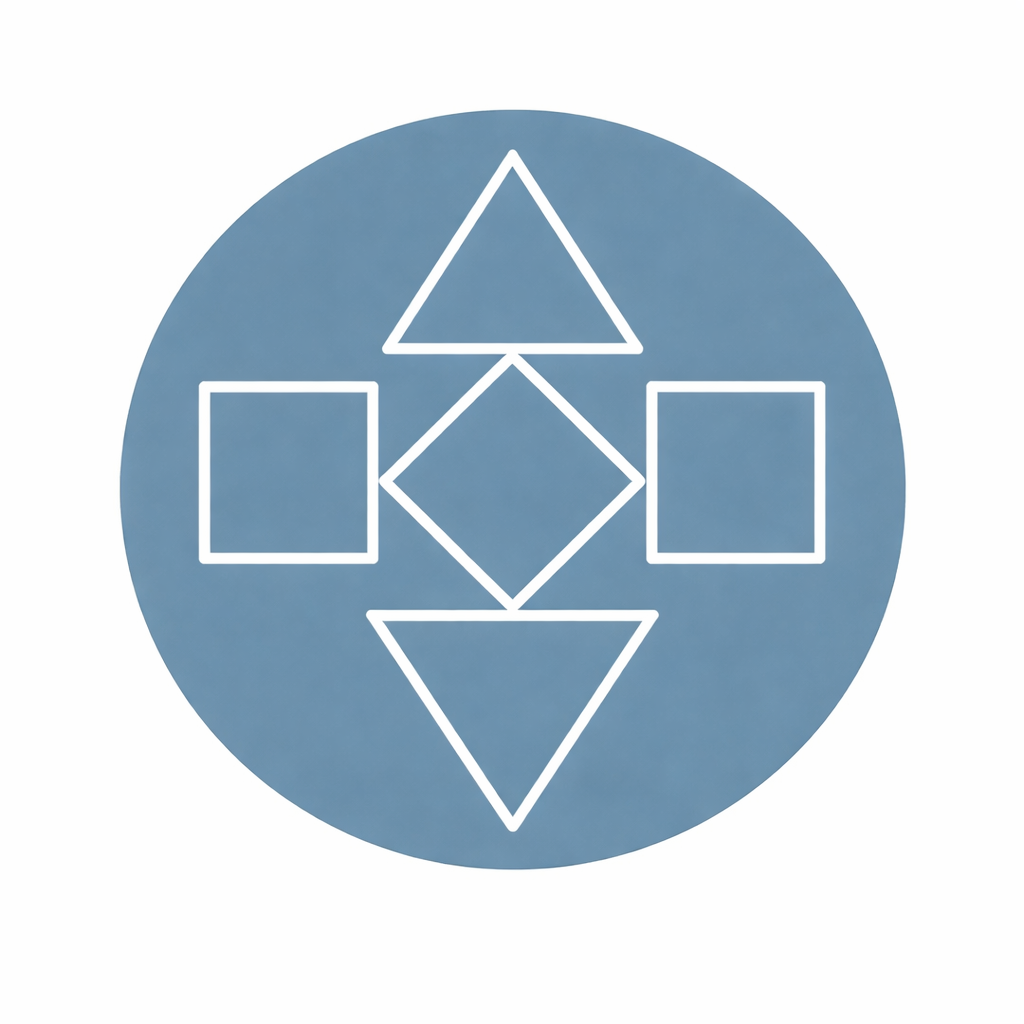
The visual accord between the variety of elements in the space: shapes, textures, materials, colors, proportions, etc. It is the orderly and pleasing relationship between the parts of the whole.
Unity:

The feeling of wholeness that results when harmony succeeds — when the Elements and Principles are working together toward a single purpose. It is what makes a design feel finished, inevitable, and complete.
You may justifiably ask whether harmony and unity are objective or subjective—and if the former, how they can be defined universally. These are big questions, ones that artists, designers, and theorists have debated for centuries. Even today, opinions differ. But becoming mired in theory helps little.For our purposes, the distinction between seeing and feeling is simple and clear:
Harmony is what we see in the relationships among parts; unity is what we feel when those parts cohere into one voice. Together they form design’s highest expression—the movement from pleasing arrangement to wholeness of intent.
Harmony and unity are the quiet goals of every successful design. They arise when all parts relate to one another and to the whole in a way that feels both intentional and resolved.
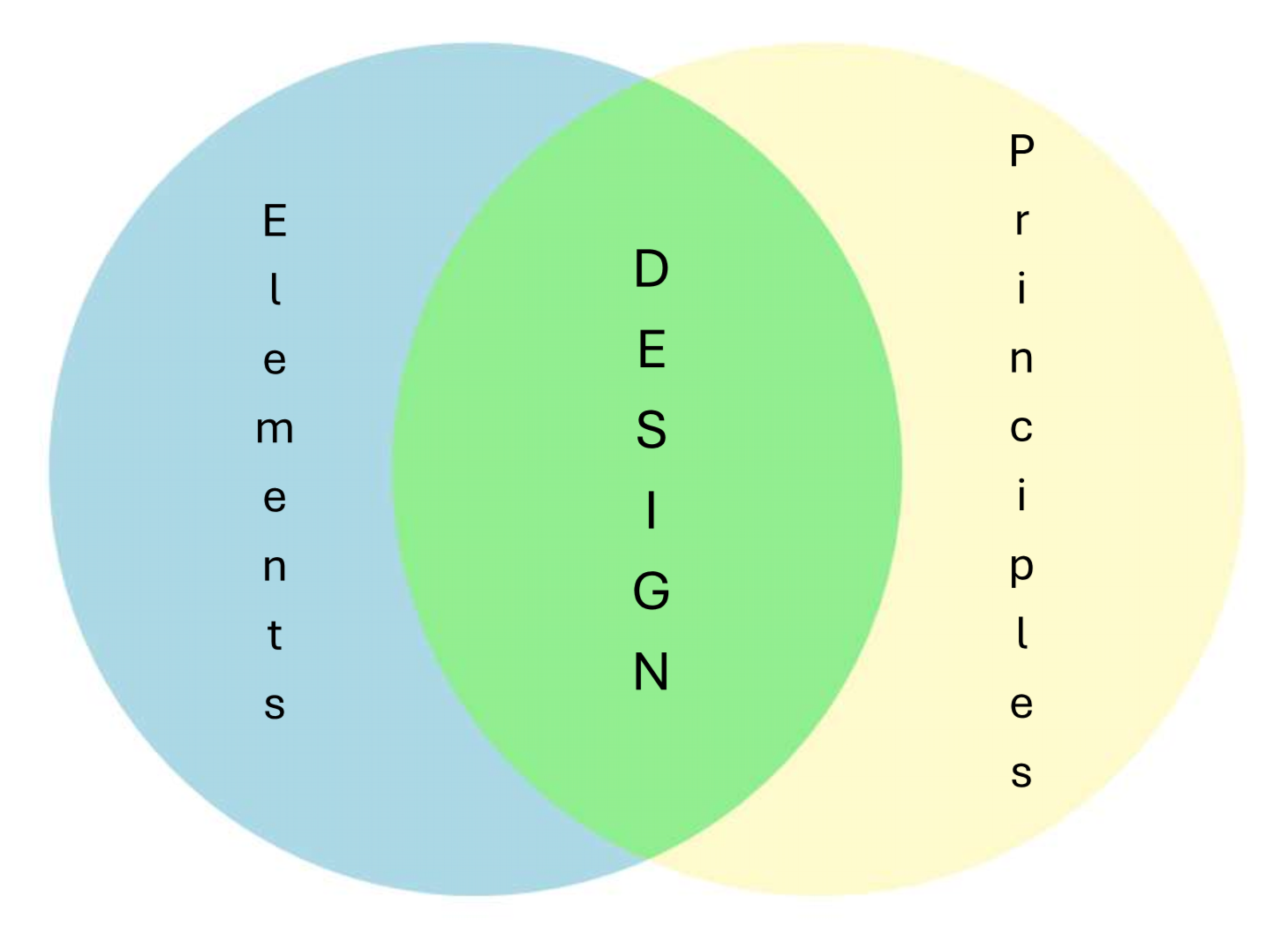
AI-generated image illustrating the intersection of Elements and Principles. @Teresa Ryan, 2025
Why are the Elements and Principles of Design Important?
For interior designers, the Elements and Principles are not abstract ideas; they are daily practice. Consider these examples:
A living room where scale, proportion, emphasis, and the balance of color, texture, and variety ensure space that feels inviting, comfortable, interesting, and enjoyable without looking crowded or over-done.
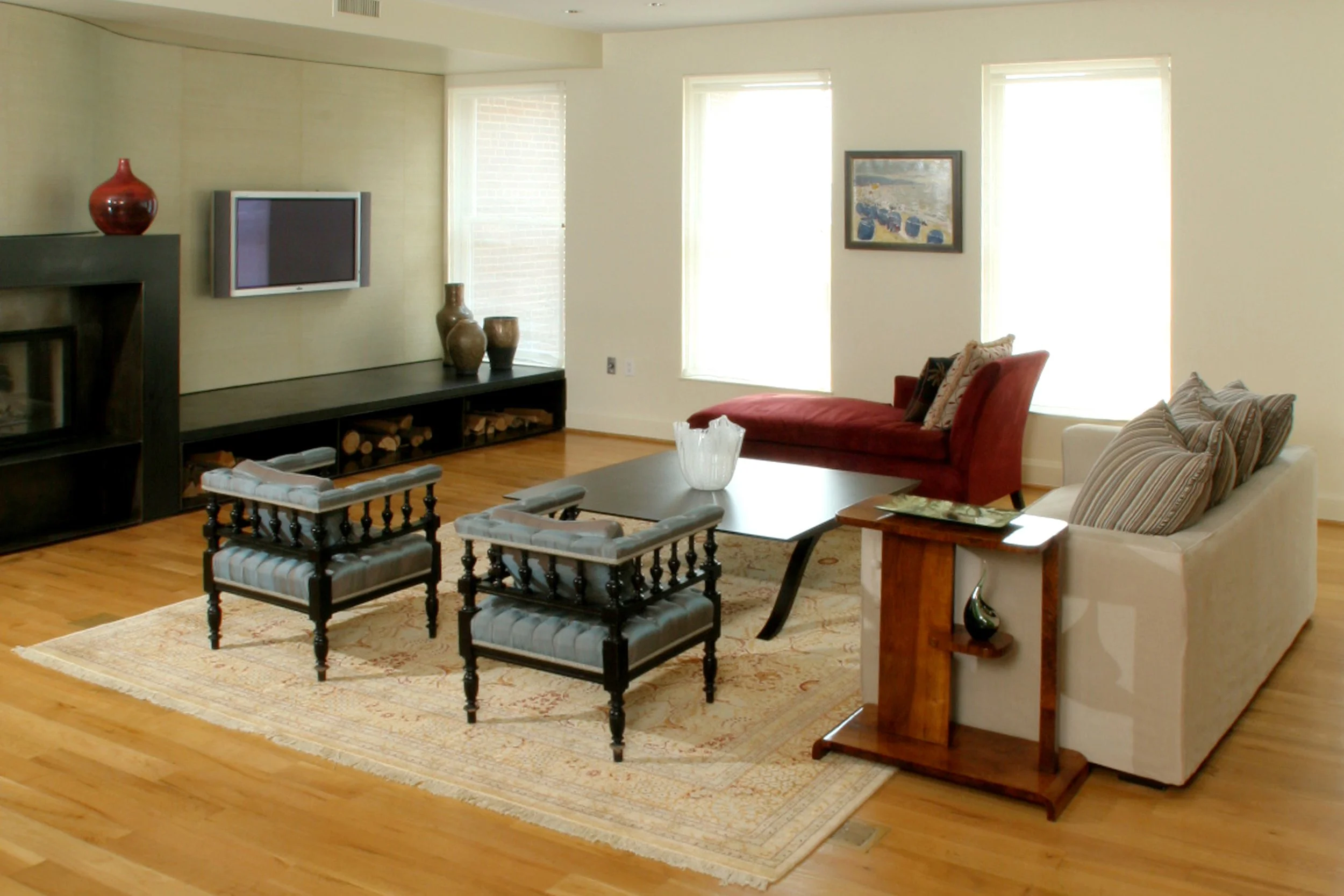
Living Room in Tribeca, New York. Ryan Art & Design. Walter Lee Photography
Image @Teresa Ryan 2025 and Walter Lee Photography.
A restaurant interior that uses repetition of lighting, shapes, and materials to create flow, guiding guests deeper into the space.
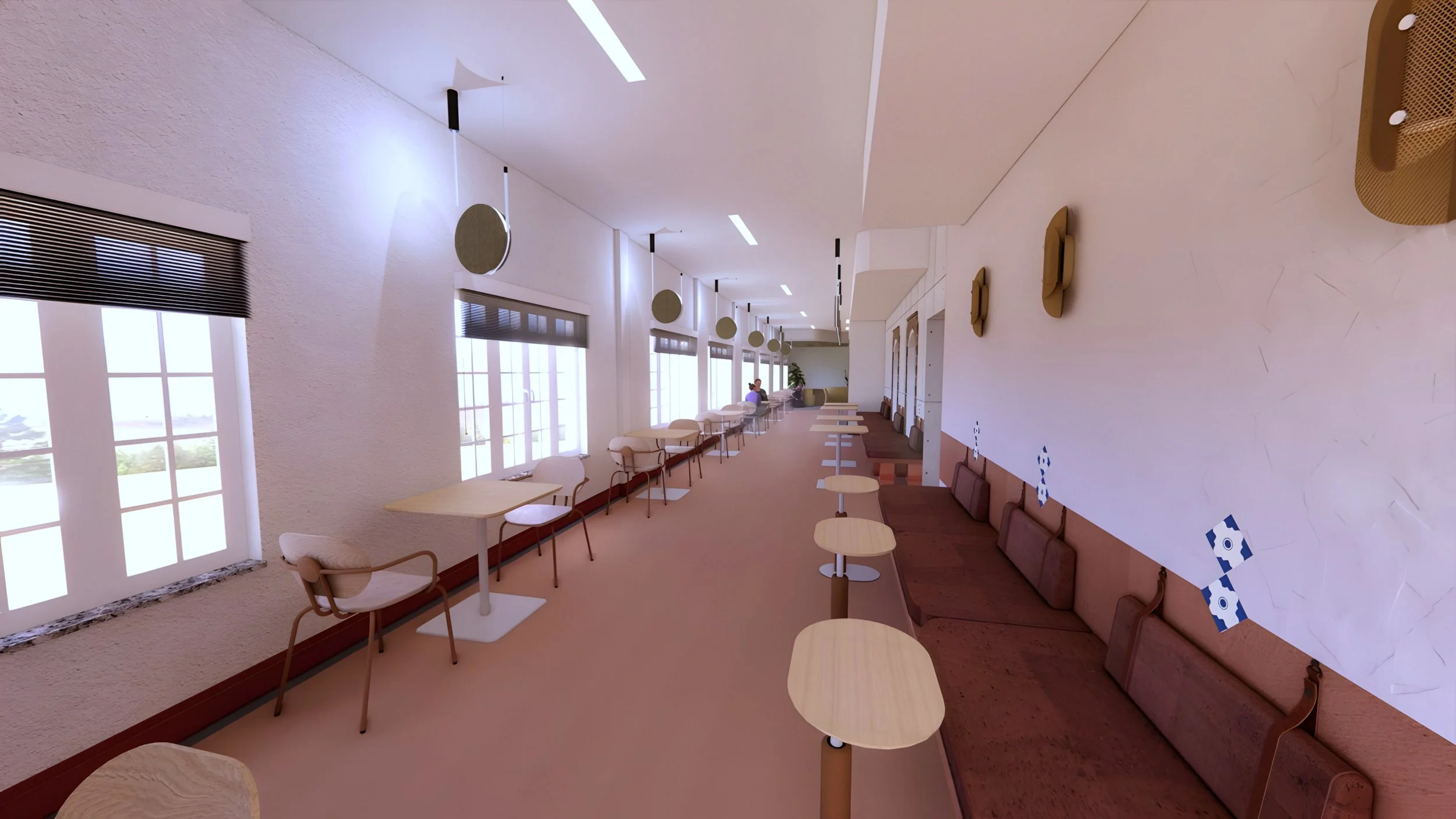
Design for Community Center Café. São Romão, Portugal. Ashley Massono, designer. 2025
A bedroom that relies on the balance of color, form, and texture to create an environment that is serene, but not boring.
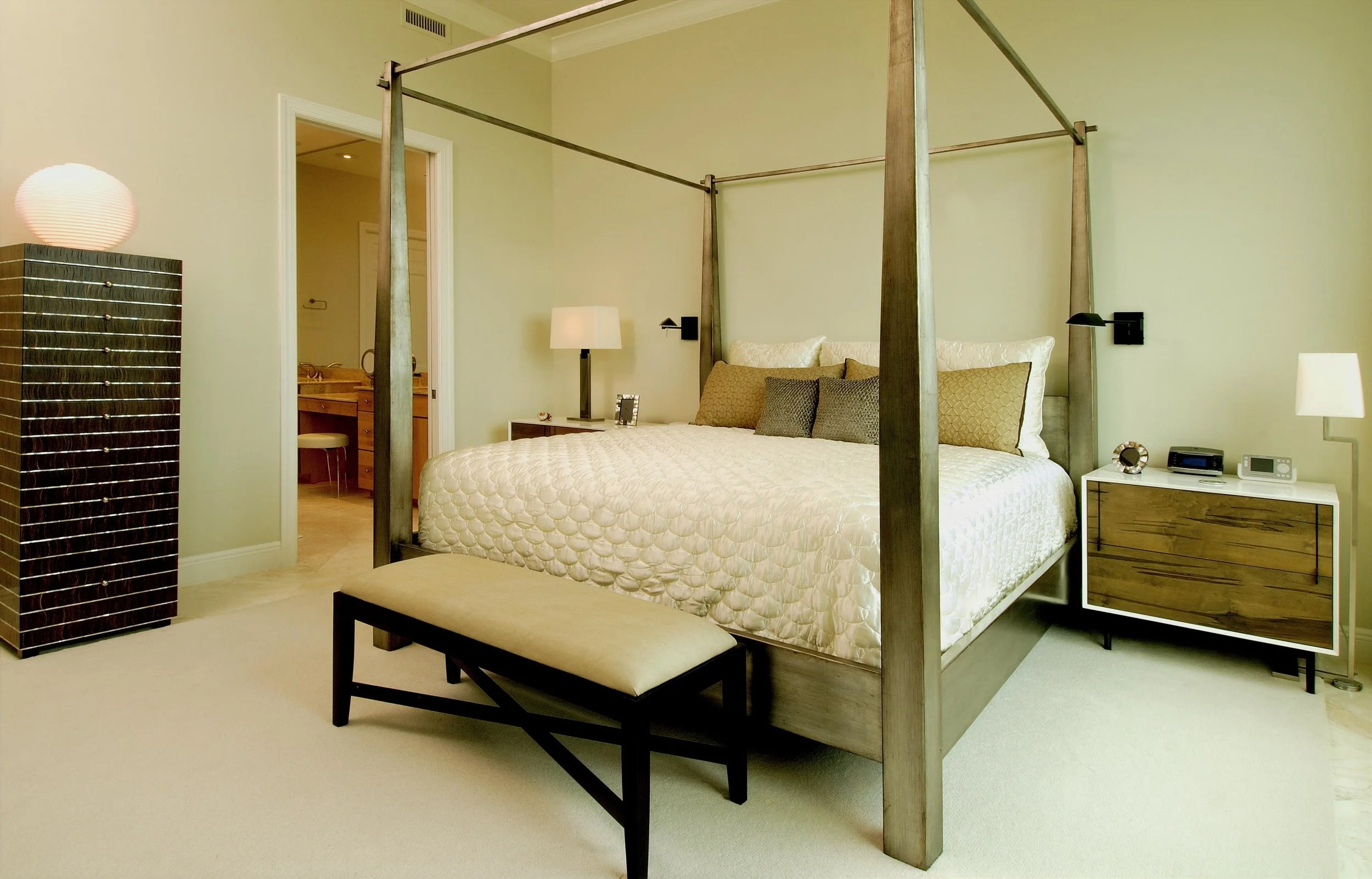
Master Bedroom. Naples, Florida. Ryan Art & Design.
Image courtesy of Builders Integrity Group, Naples, FL.
How Do the Elements and Principles of Design Work Together?
The Elements are what we design with.
The Principles are how we arrange them.
Together, they create Design: Function and Feeling
Conclusion
When designers understand these relationships and compose with sensitivity to the Elements and the Principles, they are no longer just arranging furniture or picking fabrics. They are creating experiences. What could be more exciting and rewarding?
Click here to download the Elements and Principles chart in the article.
Want to go deeper? Sign up here to be notified about new posts…and more!