
Finding Your Voice as a Designer, Part I: Defining Creative Voice
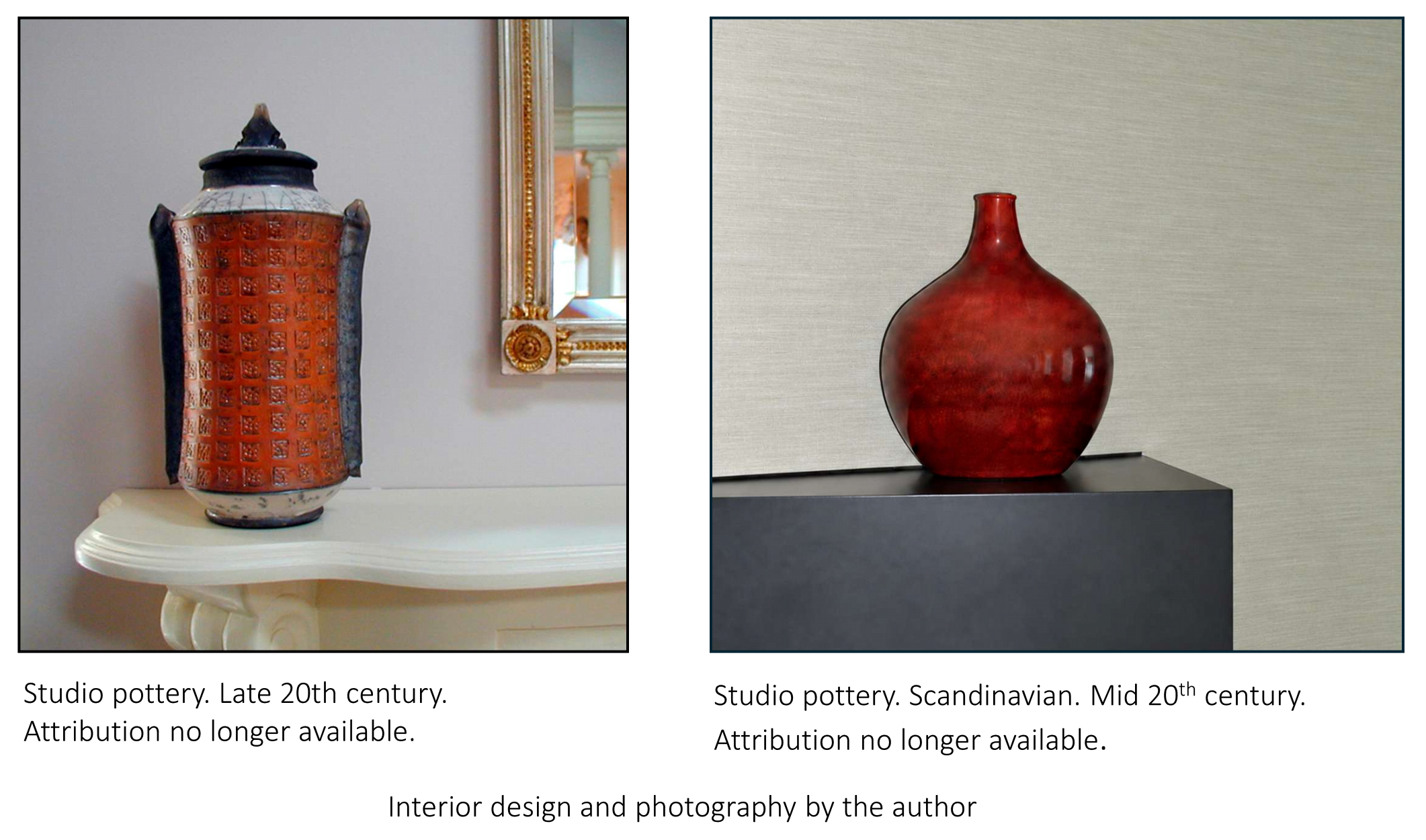
Some designers have it. You can move from one project to another—projects that may differ considerably in style, materials, color, or context—and still sense that they came from the same person.
We call it a creative voice.
It is a familiar idea in writing, music, and art. We recognize the voice of a writer even when the subject changes, or the work of an artist even when the palette or medium does. But what does creative voice mean for a designer? Is it simply another term for personal style? Is it something we deliberately develop? Or is it something that gradually reveals itself through the choices we make?
Perhaps the most useful place to begin is with what creative voice is not.
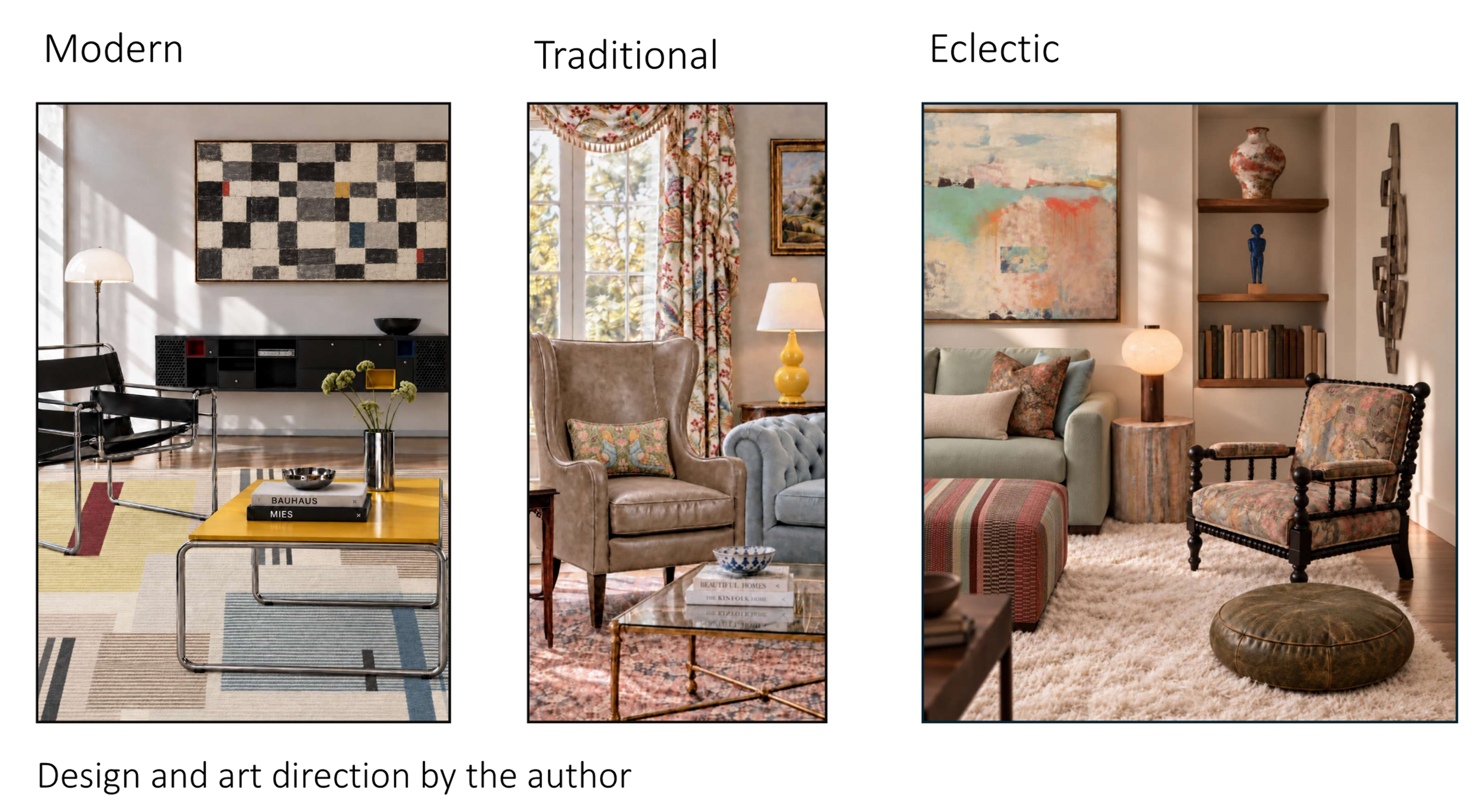
Creative Voice Is Not the Same as Style
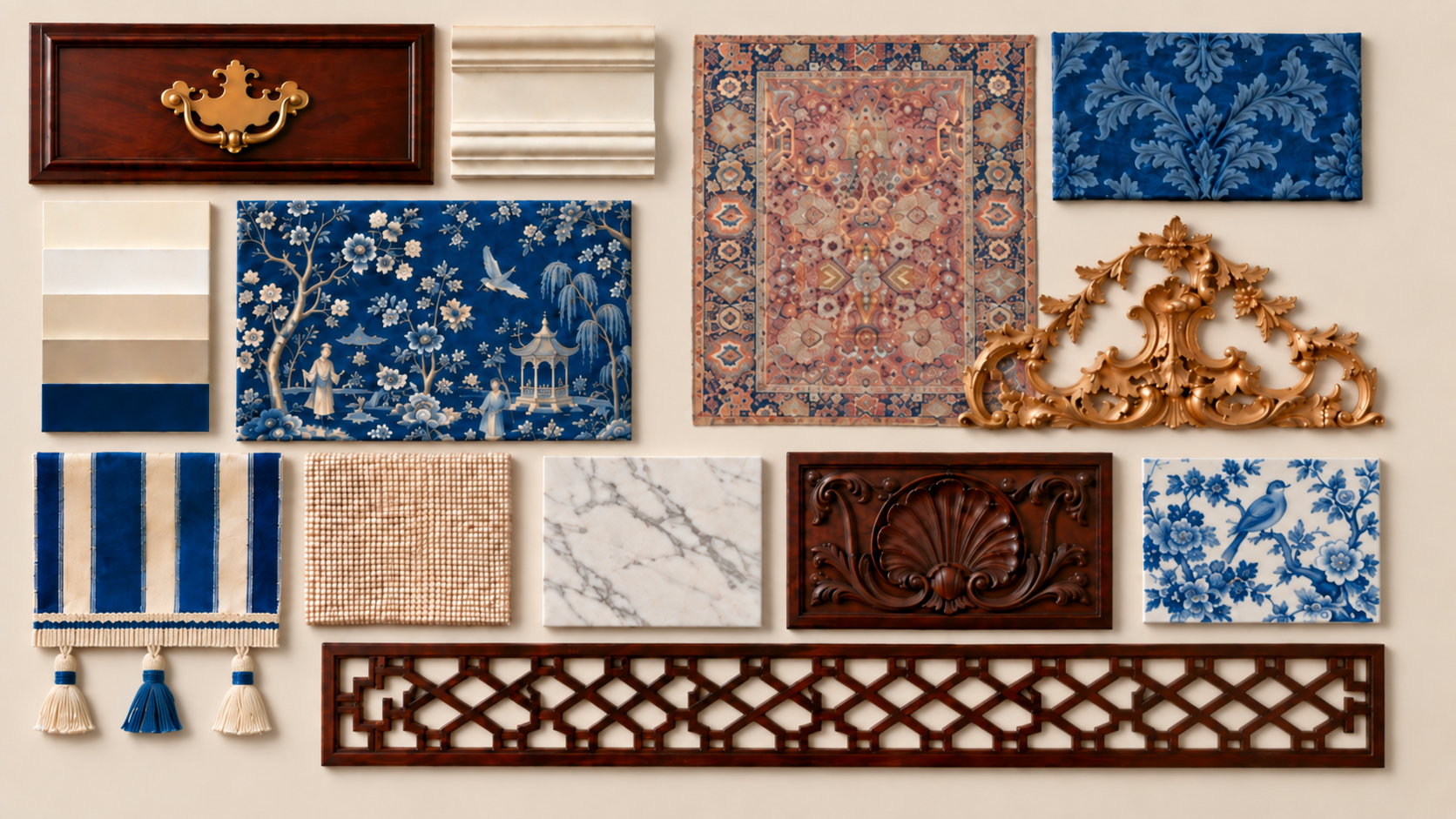
“Traditional” Material Board. Design and art direction by the author. Image generated by AI
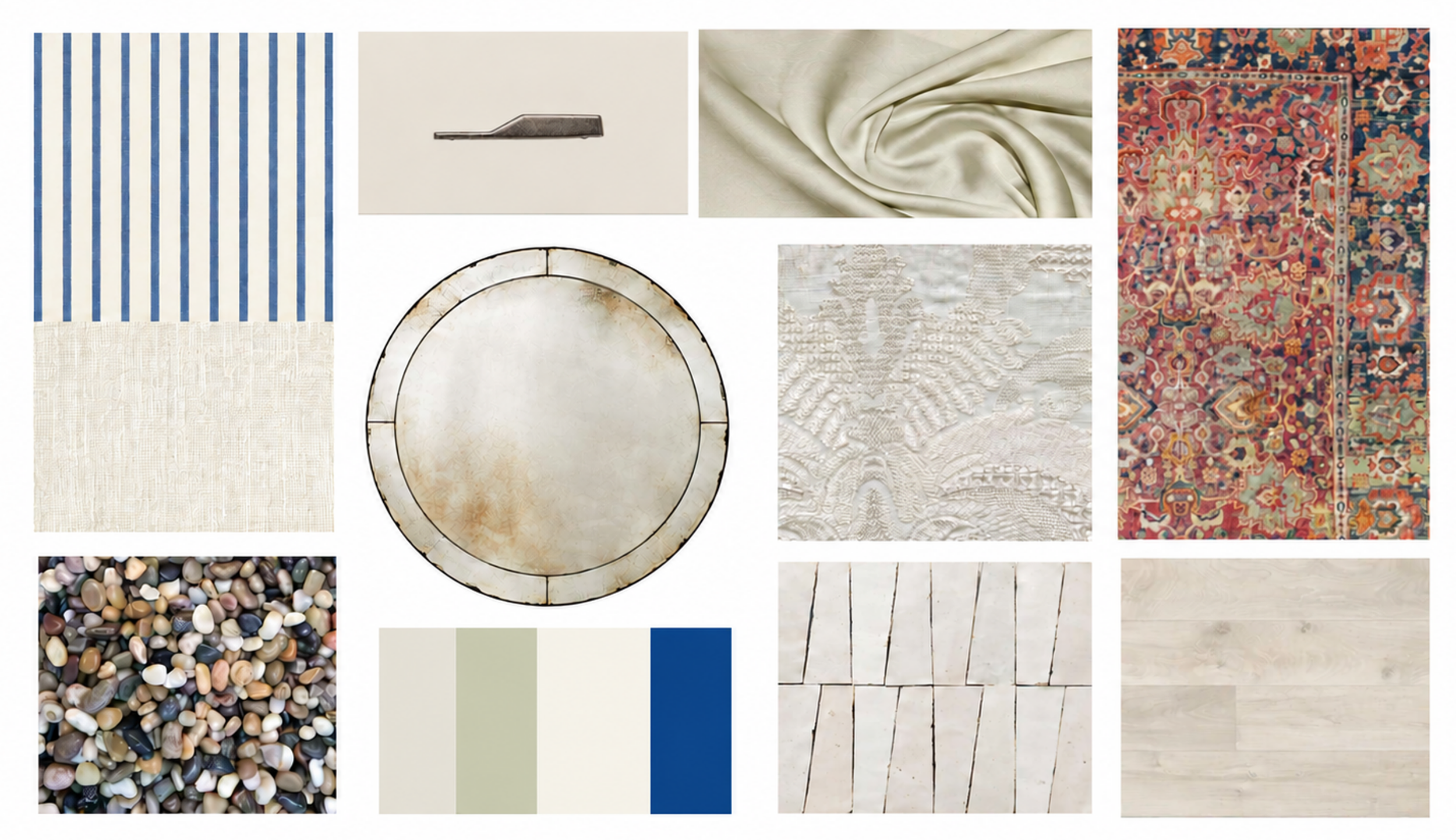
“Transitional” Material Board. Design and Art Direction by the author. Image generated by AI.
Style is the most visible part of a designer’s work, which is probably why it is so easily confused with voice. A preference for minimal interiors, saturated color, historical references, natural materials, or highly ornamented surfaces can certainly become recognizable. But these are characteristics of what the work looks like. Creative voice lies deeper.
A designer’s voice is expressed through the principles and judgments that generate those visual choices.
Consider what might recur across very different projects. A designer might consistently use strong hierarchy to establish a clear focal point. Another might contrast opposing qualities—rough and refined, old and new, geometric and organic. One might repeatedly use proportion and scale to create a sense of calm or amusement, while another relies on rhythm and repetition to create movement. A commitment to material authenticity might appear in one project through exposed structure and in another through the preservation of an aged surface.
These are not styles. They are principles — that can produce very different visual results.
And there may be something even less tangible at work: a recurring standard of judgment. How much is enough? When does complexity become clutter? When does simplicity become emptiness? Is that proportion quite right? Does the material feel authentic? Has the idea been fully resolved—or merely executed?
The answers will not be the same for every designer.
The appearance can change while the underlying way of thinking—and the standard against which the work is judged—remains remarkably consistent. This gives us an important distinction:
Style may repeat an appearance. Creative voice repeats a principle that underlies style.
And sometimes, what repeats is simply the quality of the judgment behind the work.
What Is Creative Voice?

Art direction by the author. Generated by AI.
If voice is more than style, what exactly is it? Creative voice is a designer’s particular way of seeing, judging, choosing, and making decisions. It grows out of what captures our attention and what we overlook; what we value and what we reject; the relationships we notice; the questions we tend to ask; and the decisions we repeatedly make.
One designer may be fascinated by precision. Another by imperfection. One may instinctively simplify; another may layer. Some designers are drawn to clarity and order, others to ambiguity, surprise, juxtaposition, or sensory richness.
And designers develop standards. Over time, they acquire an internal sense of when something feels resolved. They know when a proportion is almost—but not quite—right. When one more element would be too much. When something technically works but somehow fails to satisfy.
That internal standard is not necessarily perfectionism. Perfectionism can prevent us from finishing anything because nothing is ever good enough. Design judgment does something different. It allows us to recognize when the relationships among the parts have achieved what the design requires.
That threshold—the point at which a designer believes the work is right—can itself become part of a creative voice.
None of these qualities belongs exclusively to one visual style. They are ways of approaching design. And they do not develop in isolation. Our experiences, education, cultural environment, encounters with art and design, historical knowledge, travels, teachers, successes, mistakes, and accumulated observations all become part of the visual and intellectual material through which we see.
Creative voice is what happens when all of that passes through an individual mind — becomes part of the designer’s DNA if you will — and begins to influence the work.
Taste Is Not Voice
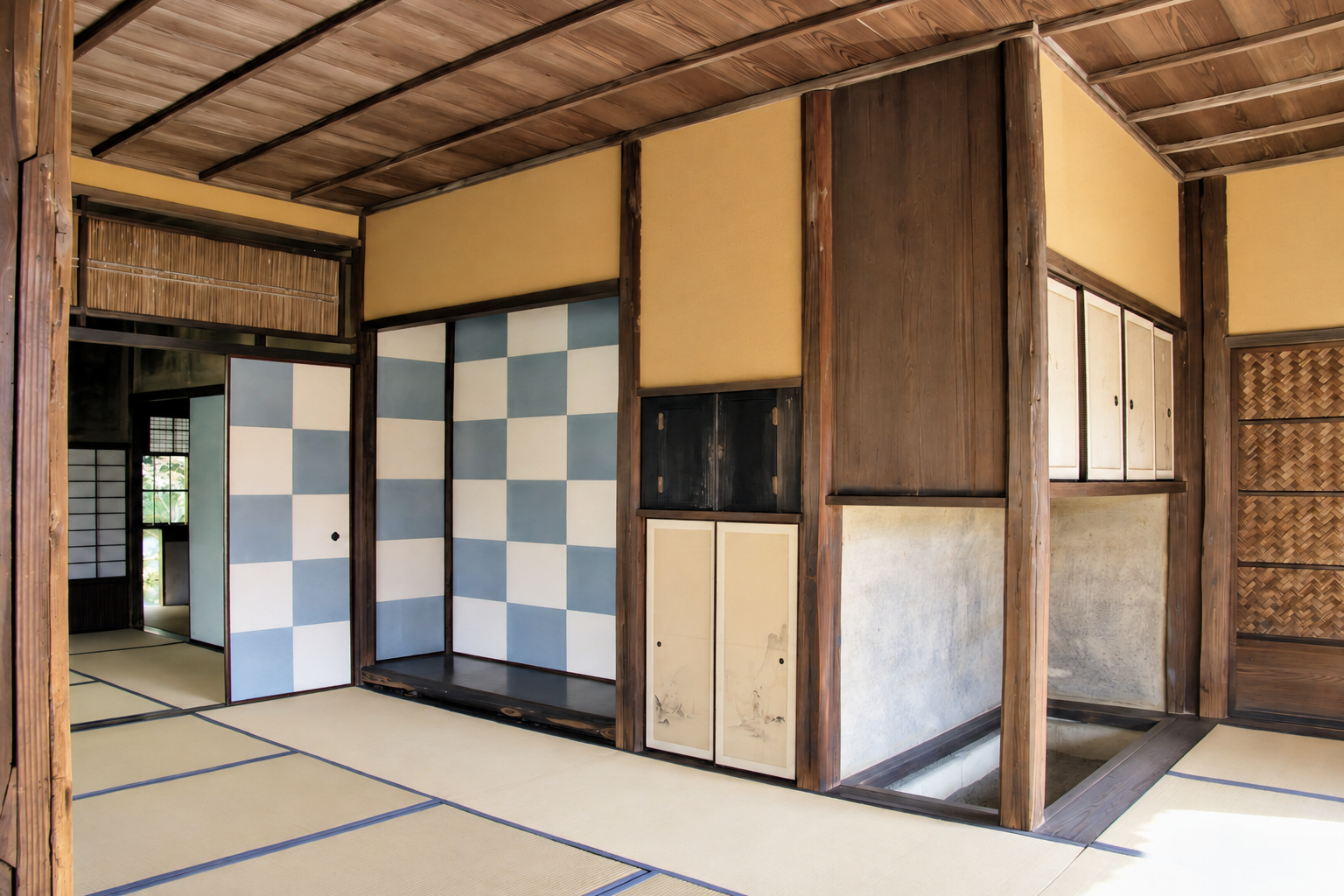
Interior, Shōkin-tei, Katsura Imperial Villa, Kyoto, Japan. Photograph: Kimon Berlin. Wikimedia Commons. CC BY-SA 2.0. Image modified by author for clarity.
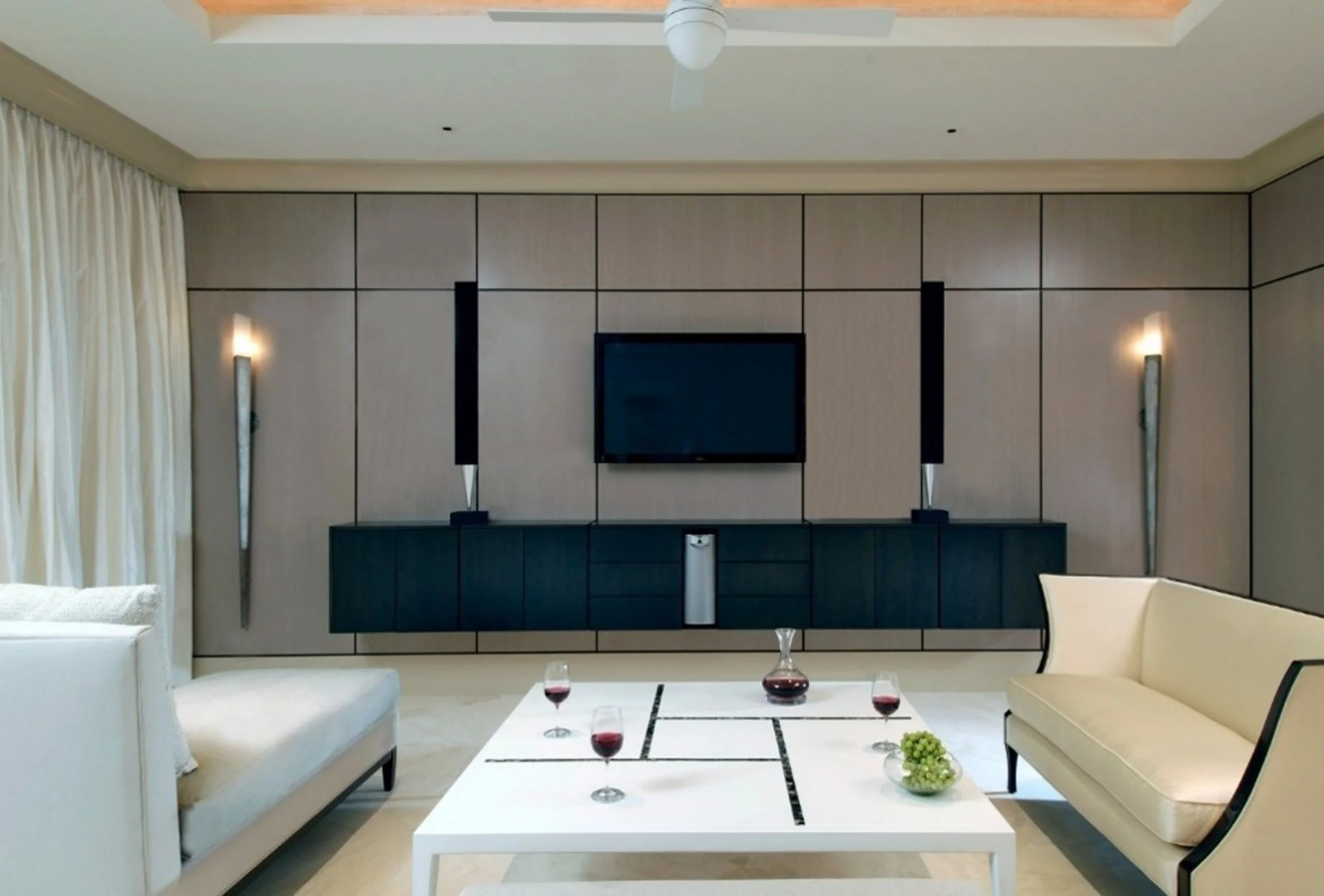
Interior design by the author. Photography by Builder’s Integrity Group.
To illustrate this section, I wanted to pair my own work with a style I greatly admired but which was also very different from my own. The best solution came quickly: my favorite example of Japanese design, the Imperial Villa of Katsura. But now, however, looking at these two interiors together, I can see qualities in the Japanese design that may have found their way, unconsciously, into my own visual vocabulary over time. Totally unexpected, evidence of a cornerstone of my teaching is revealed in my own work: absorbing the great works of design history helps shape our own creative voice. (For more on this idea, see Connecting the Dots: Why Design History Matters to Practice).
Taste is certainly part of the story, but taste and creative voice are not the same thing. Taste tells us, I am drawn to this. Voice begins to emerge when attraction becomes something more: when we understand what we are responding to, why it matters to us, and how those values affect the decisions we make ourselves.
Two designers can admire exactly the same interior and take completely different things from it. One may respond to its restraint; another to its proportions. One may notice the contrast between materials; another between old and new. One may be fascinated by the color; another by the quality of light. The source is the same. What each person sees in it is not.
And the reverse may be equally revealing. What bothers us? What would we change? What feels unresolved? What are we unwilling to accept in our own work? Our objections can tell us as much about our creative voice as our attractions.
This is one reason that collecting reference images, following designers we admire, or assembling beautiful mood boards cannot by itself create a creative voice.
Influence is inevitable and valuable. But what matters is what happens to that influence after it passes through us.
Creative voice is not a collection of things we like. It is the particular way we absorb, interpret, judge, connect, and ultimately transform them.
A Creative Voice Allows the Work to Change
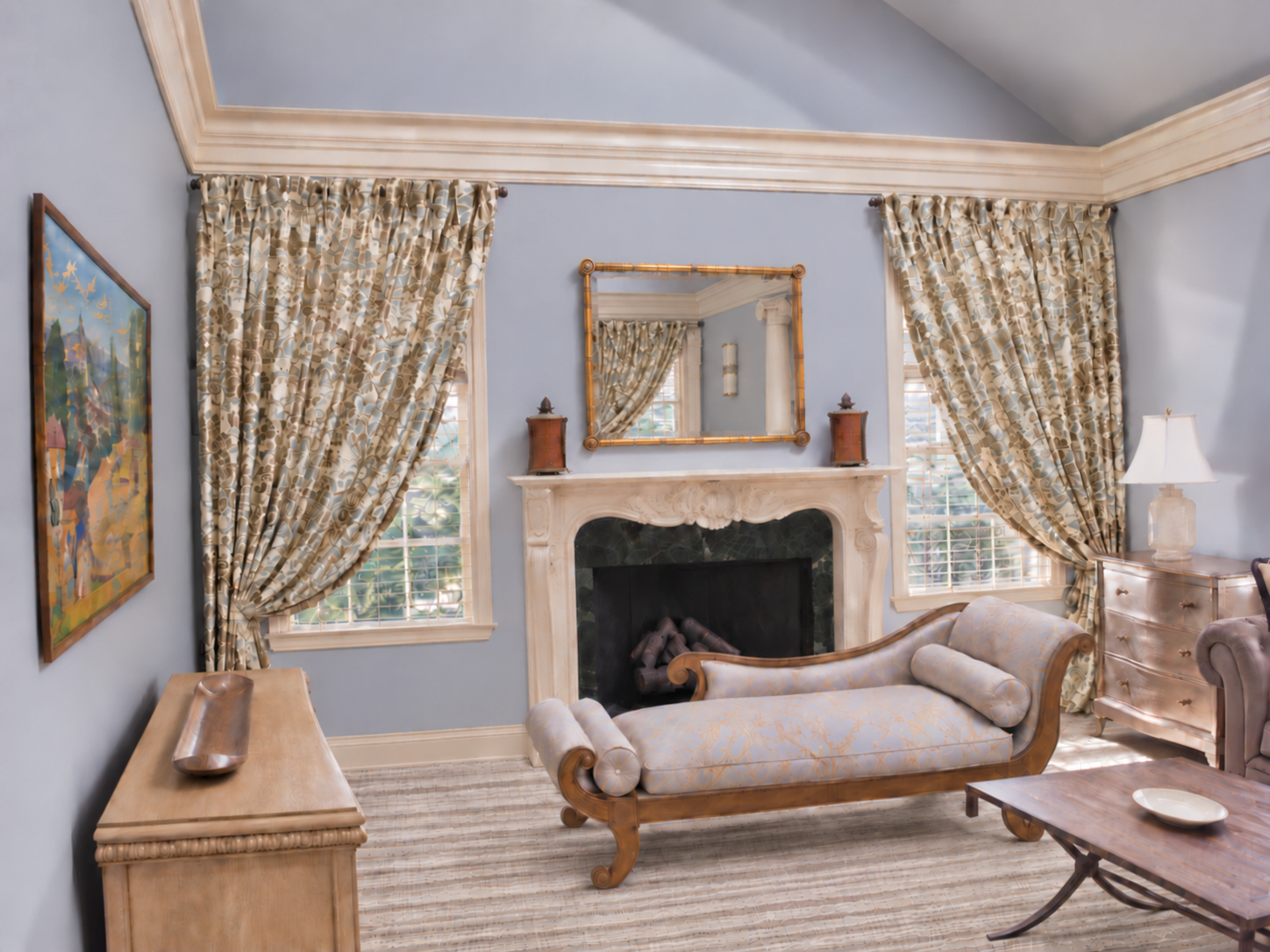
Interior design and photography by the author.
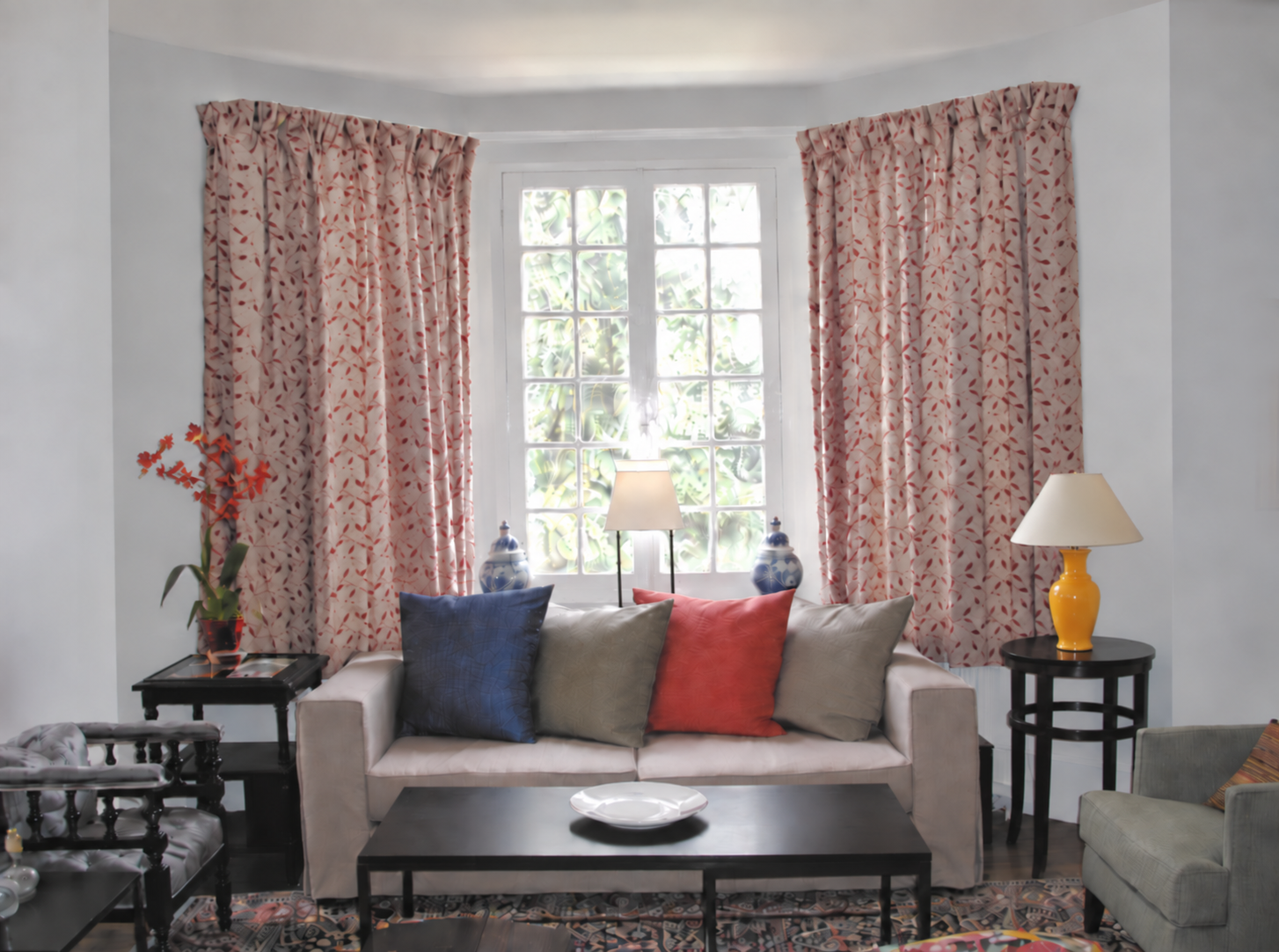
Interior design and photography by the author.
This distinction matters because the idea of “finding your style” can become limiting, particularly for young designers. It can suggest that somewhere out there is a recognizable visual formula waiting to be discovered: This is my palette. These are my materials. This is my look. But a designer’s work should be able to respond to different clients, buildings, functions, budgets, cultures, and ideas. If creative voice required the same aesthetic solution every time, having a strong voice would eventually become a liability.
The continuity lies somewhere else.
A designer might approach a restrained contemporary apartment and a richly layered historic interior very differently while bringing the same sensitivity to proportion, the same interest in material contrast, or the same concern for how a person moves through space.
Or the continuity may be more elusive than that.
Perhaps both projects share the same level of rigor—the same unwillingness to accept a relationship that has not been fully resolved. The forms and materials may bear little resemblance to one another, yet we recognize the same intelligence at work.
Creative voice isn't necessarily recognizable because the work looks the same. It may be recognizable because the same mind has judged when the work is right.
The visible result changes because the problem changes. The underlying judgment does not disappear. This may be one of the clearest signs of a mature creative voice: consistency without repetition.
Where Does a Creative Voice Come From?
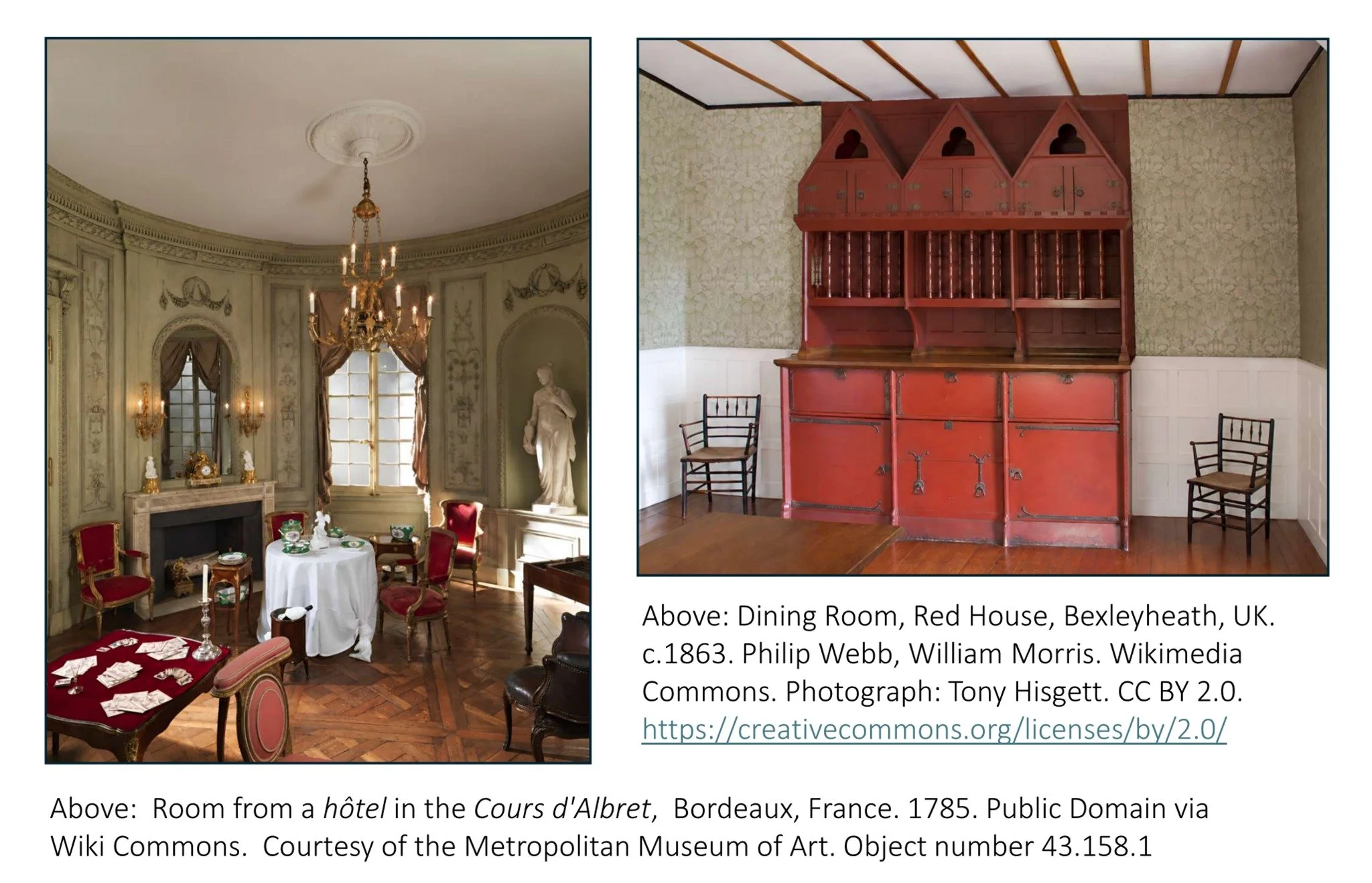
Red House image modified by author for clarity
Creative voice does not arrive fully formed. Nor does it necessarily emerge simply because someone has been designing for a long time. Experience matters enormously, but experience alone is not the same as development.
Projects test ideas. A material behaves differently than expected. A budget forces a choice. A client challenges an assumption. A spatial problem resists the solution we imagined. Something succeeds brilliantly; something else simply does not work.
But experience becomes particularly valuable when we reflect on it. What held together? What didn’t? Which decision changed the project? What did I compromise? What am I unwilling to compromise? What would I do differently? Why?
Reflection converts experience into judgment.
Study contributes something different. Art, architecture, design history, visual culture, material culture—all enlarge the world from which a designer can draw. They allow us to encounter solutions, ideas, values, and ways of seeing that we could never acquire from our own experience alone.
History, in particular, gives us access to generations of designers confronting questions that remain surprisingly familiar: proportion and scale, function and beauty, tradition and innovation, craft and technology, simplicity and ornament, individual expression, cultural expectation, and perhaps most importantly: how to communicate meaning.
The purpose is not to collect styles to imitate, but to expand the visual and intellectual vocabulary with which we think.
Over time, observation, study, making, experience, judgment, and reflection begin to accumulate. Patterns appear. We notice not only what we repeatedly choose, but what we repeatedly refuse. We begin to recognize the standards we bring to our work—perhaps standards we have been applying for years without consciously naming them.
And eventually we may begin to recognize ourselves in them.
Do We Find a Creative Voice—or Develop One?
Perhaps both. The phrase finding your voice suggests that it already exists somewhere inside us, waiting to be uncovered. Developing a voice suggests something constructed through practice and experience. Neither seems entirely sufficient on its own.
We begin with instincts and individuality. Certain things attract us before we can explain why. We notice some things more readily than others. We have preferences, curiosities, sensitivities, and recurring interests. We may also have standards long before we have the language to articulate them. Something simply feels right—or doesn't.
But those instincts do not remain untouched. Educadtion expands them. Experience tests them. History gives them context. Exposure challenges them. Making forces us to choose. Reflection helps us understand the choices we have made.
Gradually, what may once have been unconscious preference can become conscious judgment.
Perhaps, then, a creative voice is neither something we simply invent nor something we merely uncover. It is something that emerges through the interaction between who we are and what we learn to see.
And once we begin to recognize it, something important changes. We can use it intentionally. That is where finding a creative voice becomes developing one.
