

The Union of Opposites: Why it creates compelling design
What happens when designers bring opposing ideas, styles, or qualities into relationship? From ancient philosophy to Modernism and beyond, the union of opposites reveals an enduring principle of creative design: difference becomes most compelling when it is given a meaningful form.
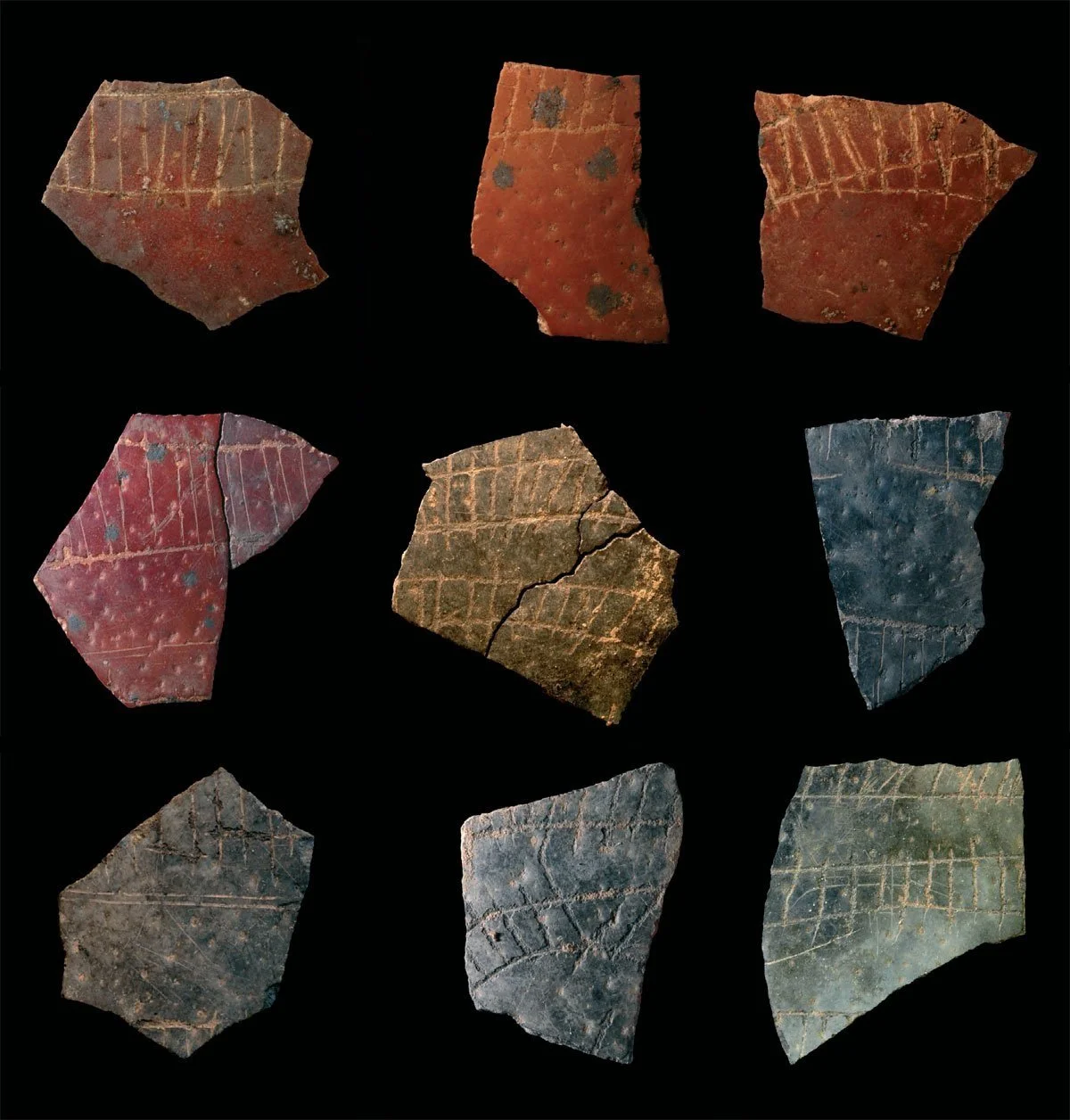
Abstraction: The First Language of Meaning
By following a handful of particular objects—from engraved stones and broken ostrich eggshells to painted hands and ancient pottery—we trace the emergence of one of humanity's earliest visual languages.
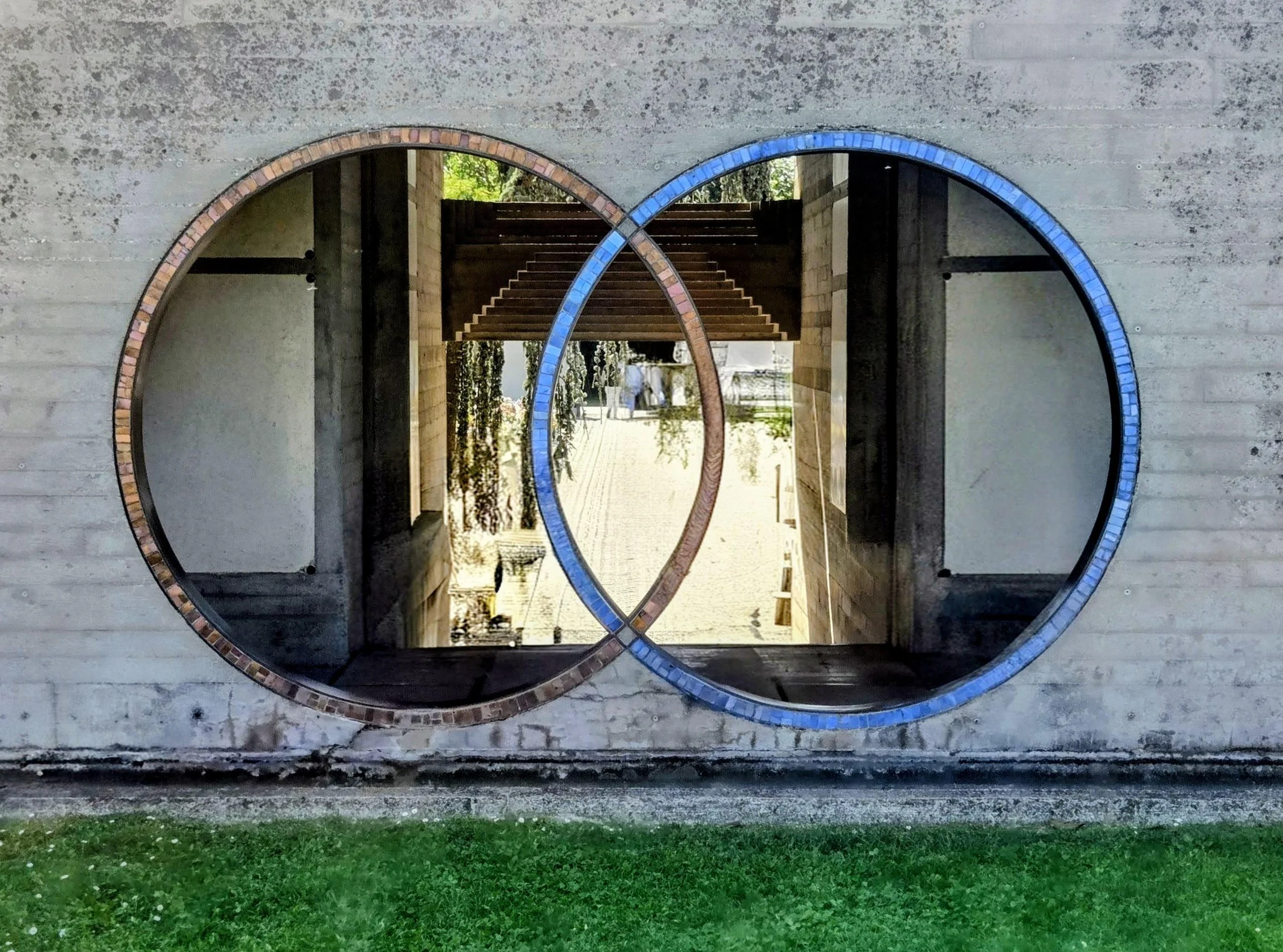
Connecting the Dots: Why design history matters to practice
Why does design history matter to practice? Through the work of an unlikely trio of architects/designers, this article explores how design history develops observation, analysis, and design judgment — the foundations of more creative and meaningful work.
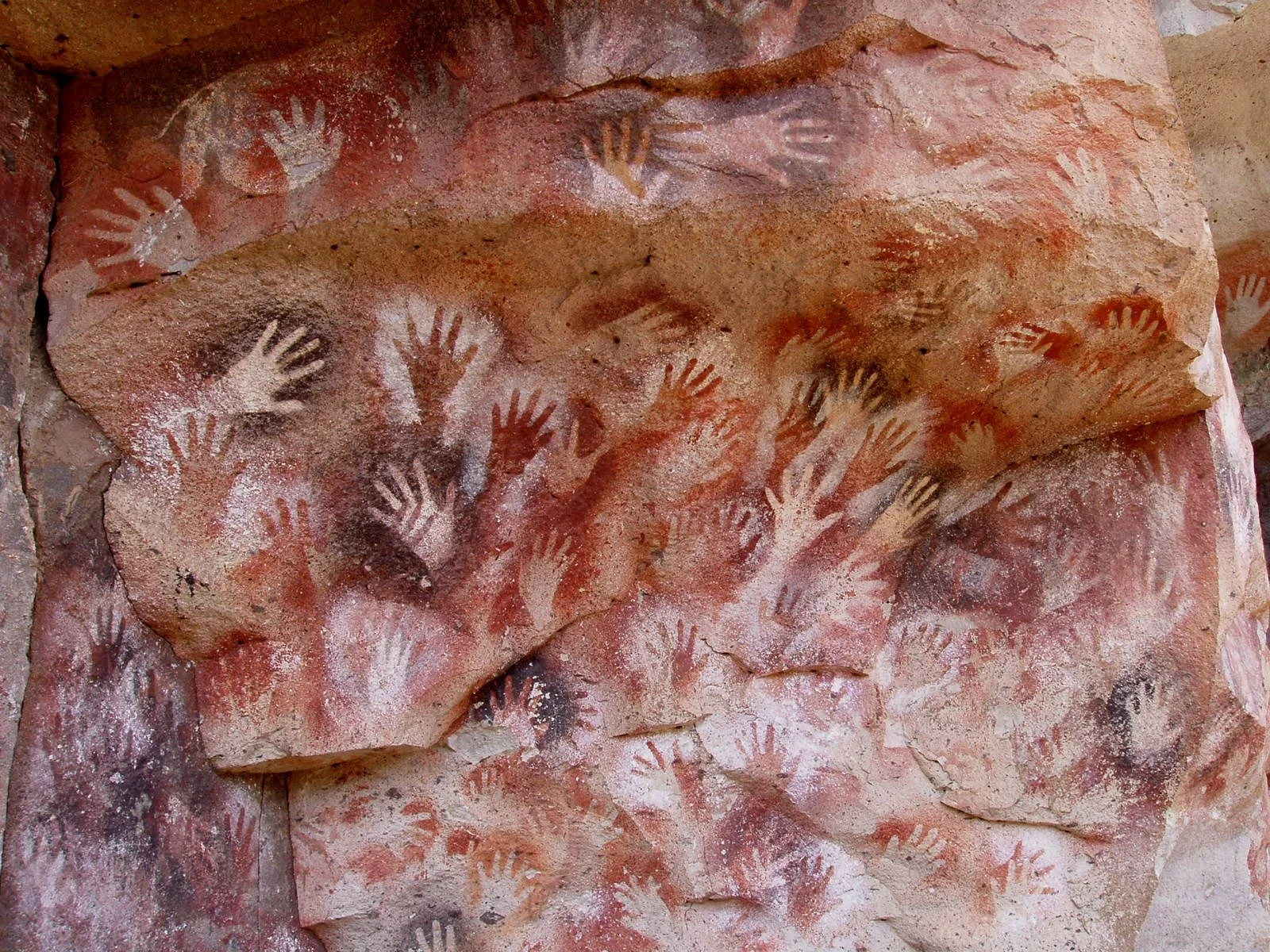
Before the Split: Pre-history and the Origins of Meaning
Before art, before design, before style, there was only making. This introduction to design thinking in prehistory traces the moment when human beings first began to recognize form—and, in doing so, create meaning in the world around them.
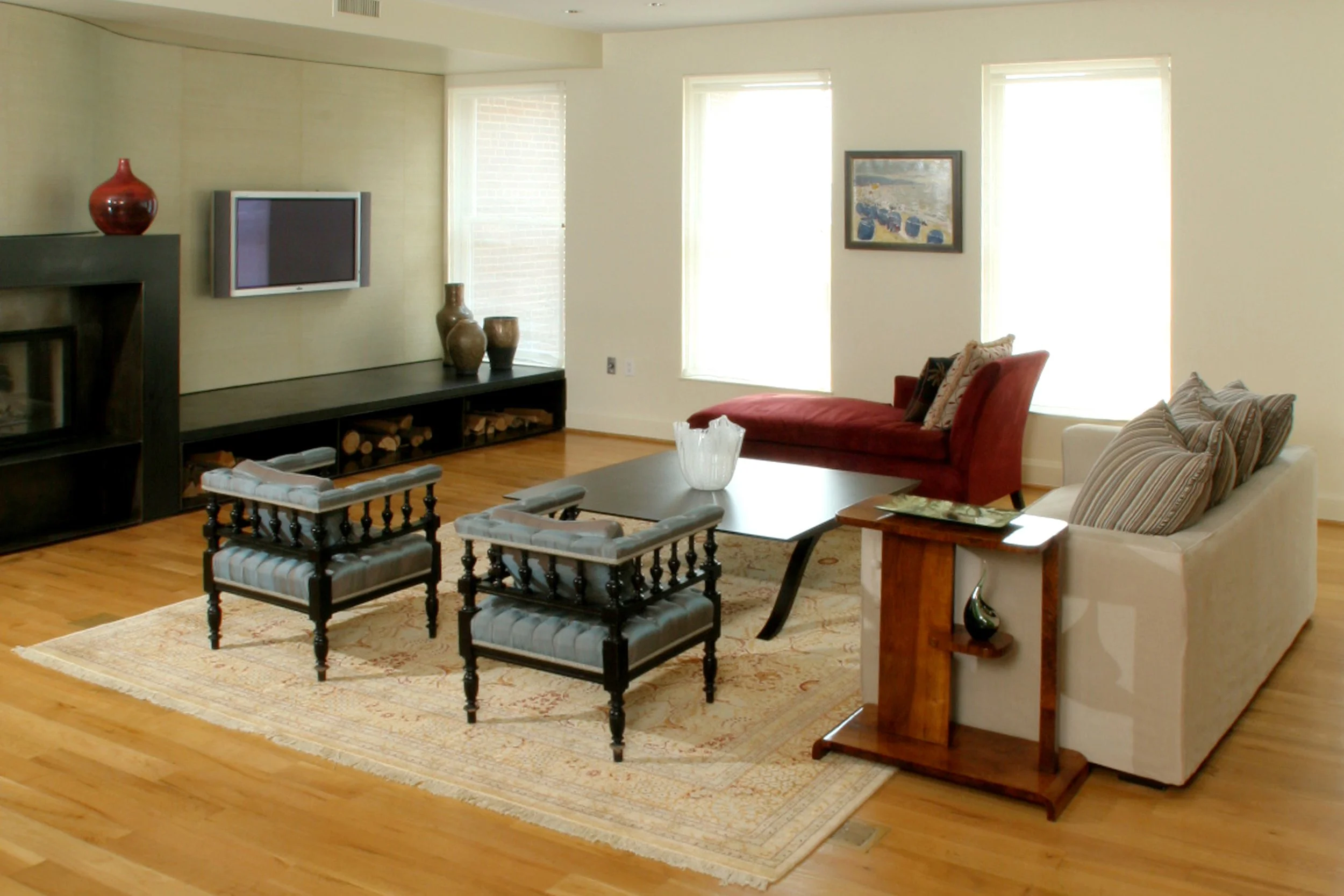
The Elements and Principles of Design: What are they? And why do they matter for interior designers?
The Elements are what we design with. The Principles are how we arrange them. Together, they create Design.
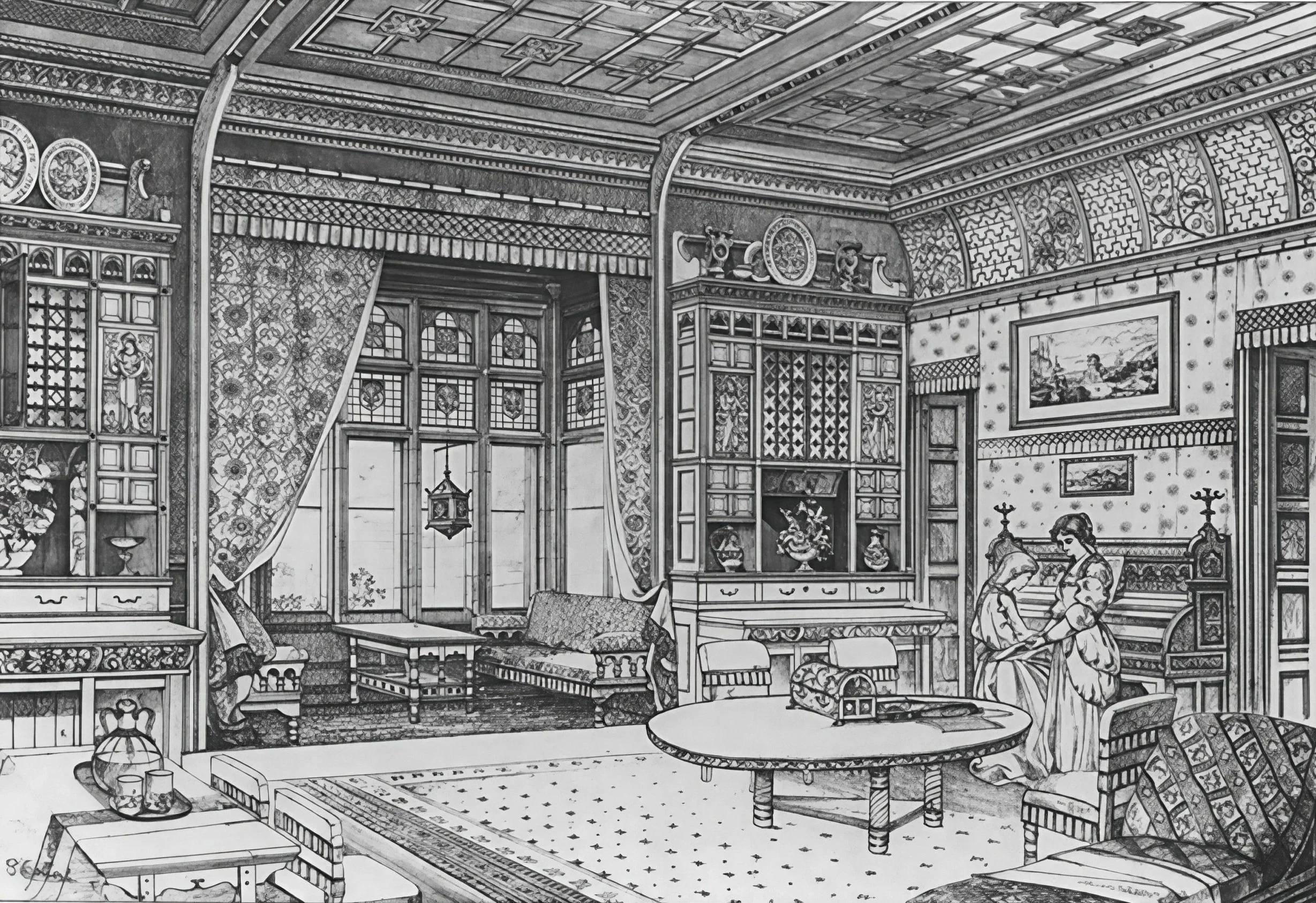
Intro to Design Reform: What is Design Reform and How Did It Start?
While there were three quite different approaches to Design Reform in the 19C, all reflected a growing recognition: the reunification of the fine and decorative arts was the way forward.
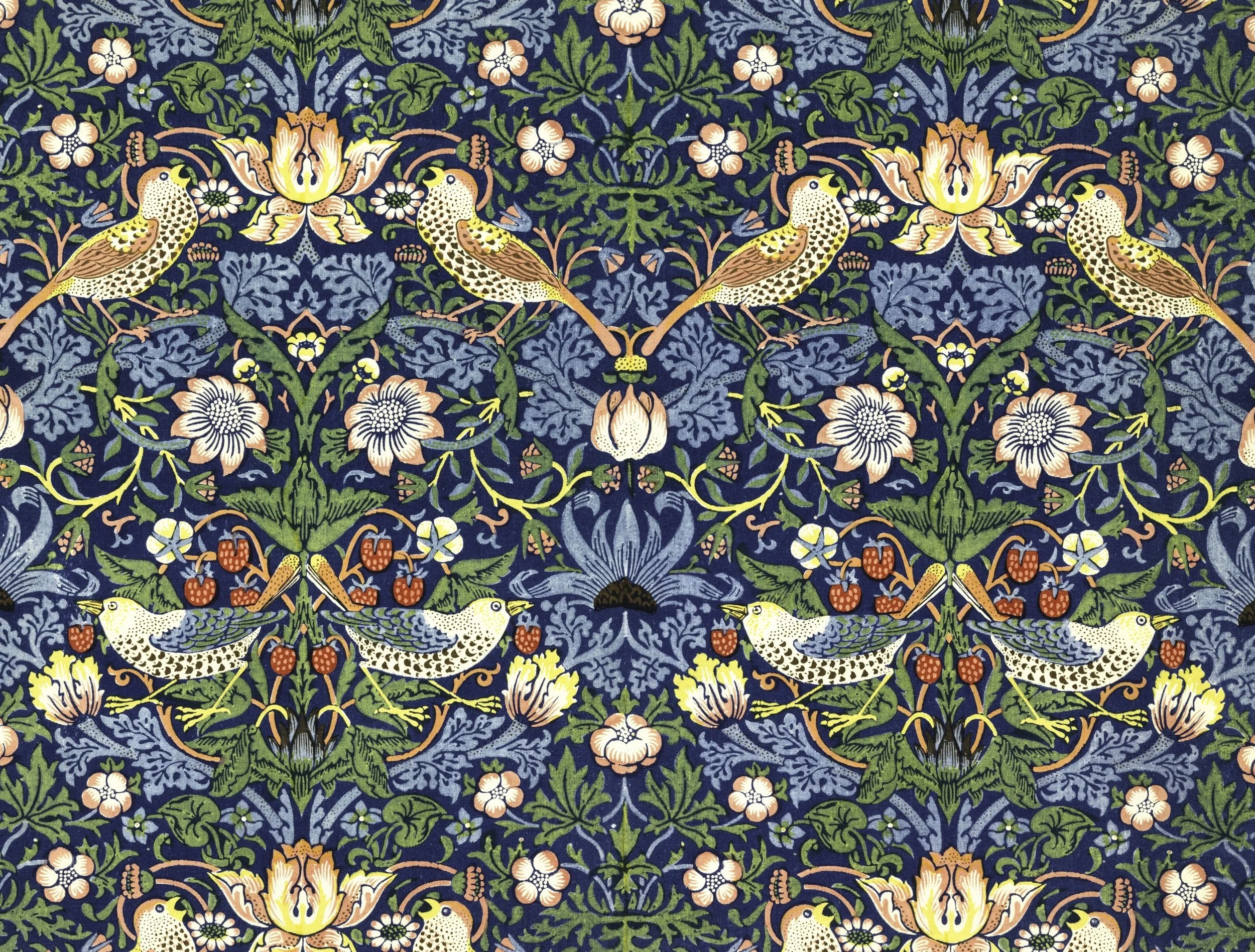
Design Reform Part I: The Moral/Idealistic Path
The Moral/Idealistic Path of Design Reform reshaped the very foundation of design. What began as a plea for truth in materials and construction and a protest against industrial injustice evolved into a vision of design as a moral force.
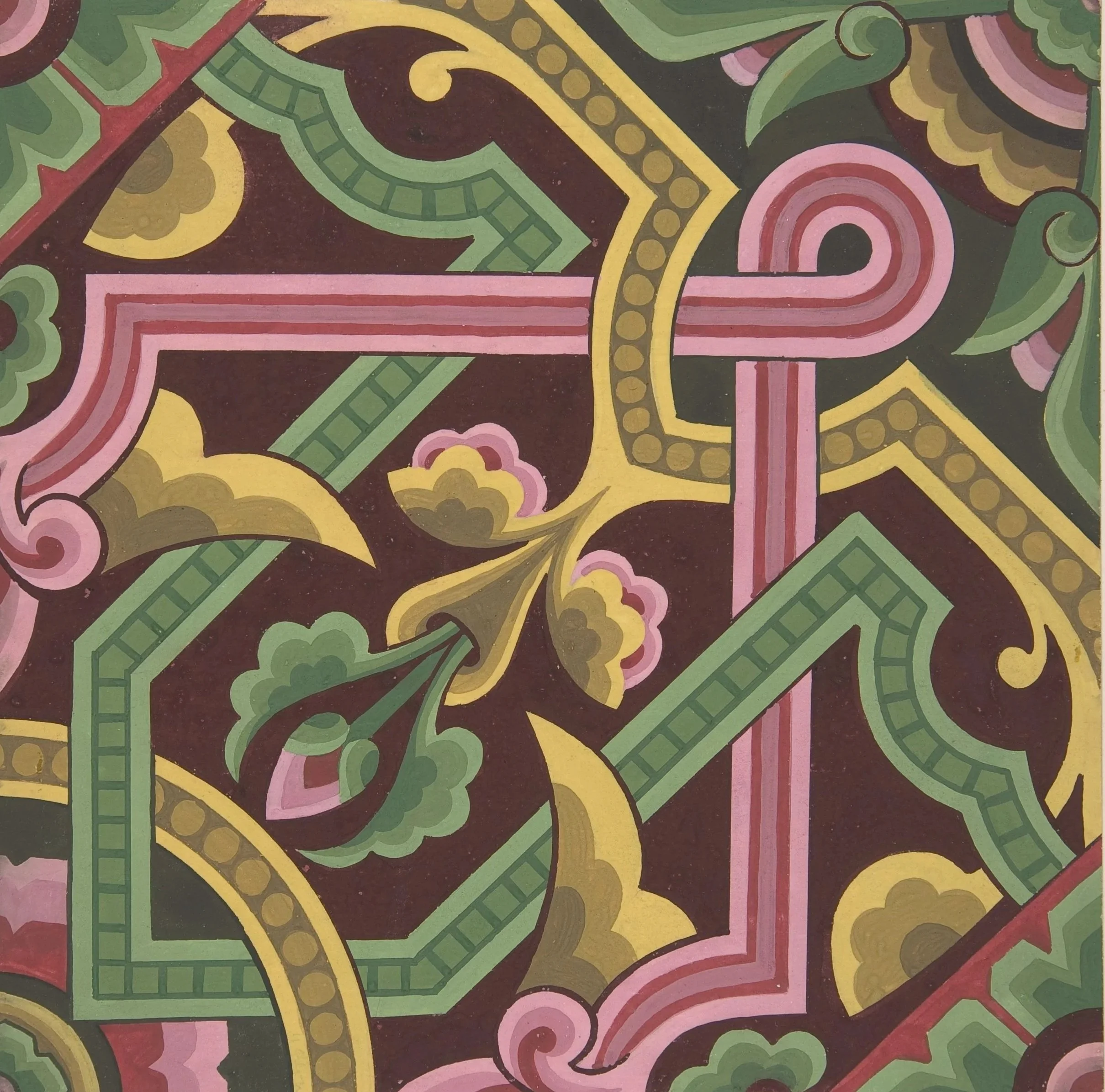
Design Reform Part II: The Pragmatic Path Government and Industry
The Pragmatic Path of Design Reform was about institutions, training, and practical frameworks. The goal was to supply better models, educational systems, and guidance for industry. The focus was not lofty ideals, but pragmatic structure.
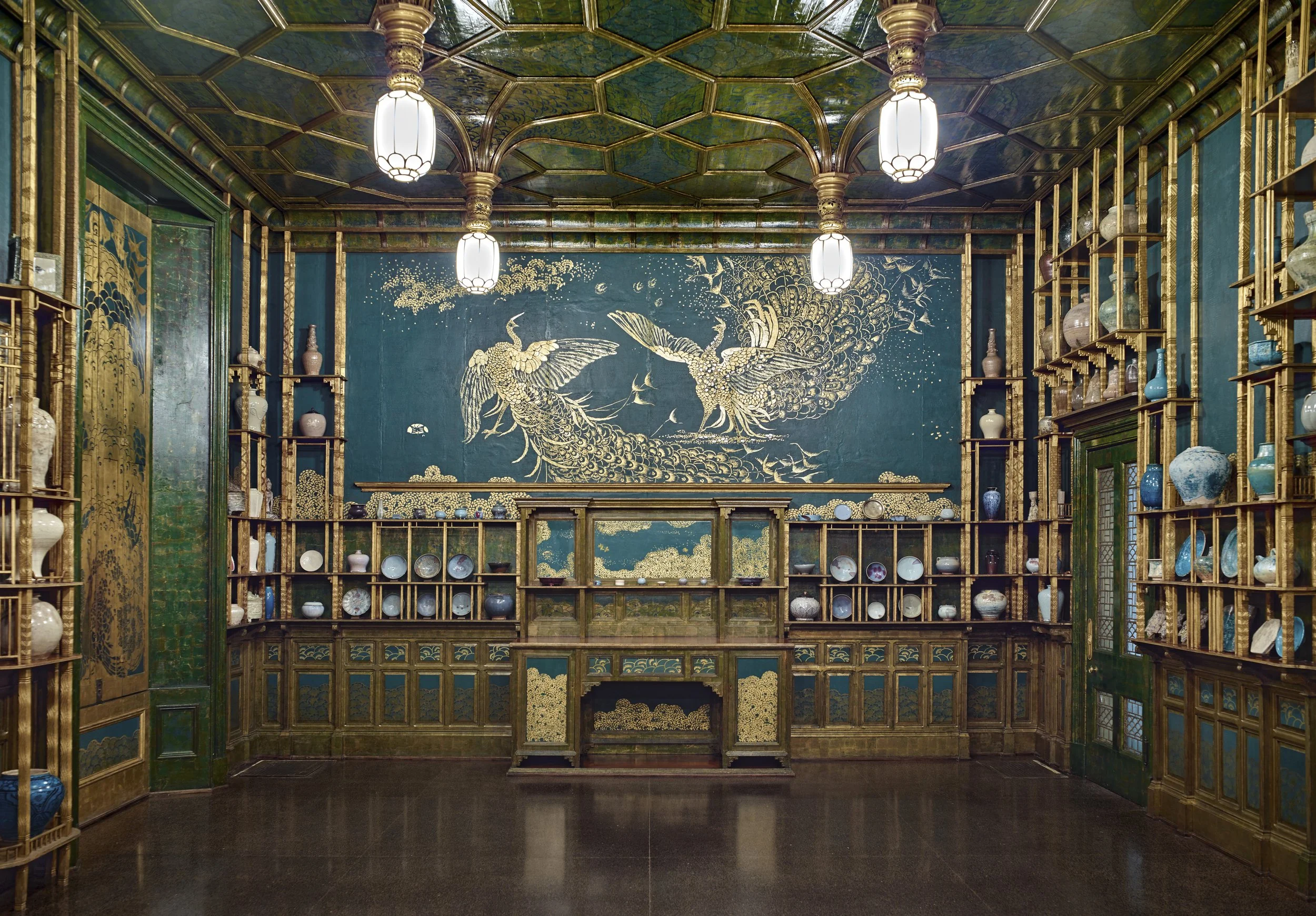
Design Reform Part III: The Aesthetic Path
The Aesthetic Movement was about beauty for its own sake — the sensual pleasure of it – along with cultivating taste, refinement, and an unapologetic air of snobbery.
“I loved and miss you and your class. As a Graphic Designer, it made me pay even more attention to detail. The way we learned about how each style developed inspired me to think outside the box and not be afraid to create designs that aren't ‘trending.’ Anyone who takes this class will learn a lot and become more aware. You are an awesome professor, and I'm glad I was able to have the chance to be taught by you.”
—TB, Kean University Robert Busch School of Design